
Upper Cervical Chiropractic vs Full Spine Chiropractic
The practice of chiropractic was founded in 1895. Since then, much has changed, but the core principles have remained. The science of chiropractic led early developers to research how to be increasingly more specific and scientific in their approach.
The deeper they went with each experiment and case study, the more the conclusions pointed to the upper cervical region being the most vital area of the spine regarding its effects on the function of the brain and nervous system.
So then why does full spine chiropractic still exist, and why do not all chiropractors practise the same way? There is a time and place for both approaches. It depends heavily on the needs of the patient, the desired outcomes, and the objective of the practitioner.

So why specialise?
Upper cervical care is generally less invasive than some full spine techniques and, in many cases, can be a more targeted approach.
-
Targeted Adjustments: Most upper cervical chiropractors will only adjust one or two bones (C1 and/or C2). In contrast, full spine care involves adjusting every vertebra, the pelvic joints, and sometimes joints outside of the spine.
-
Frequency of Care: Upper cervical chiropractors often need to adjust less frequently than full spine chiropractors. It is normal not to require an adjustment during a regular appointment; this is considered a positive sign.
-
The Dental Comparison: Just as you do not require a filling every time you visit your dentist, you do not always require an adjustment at every chiropractic visit.

How is the Upper Cervical Spine Different?
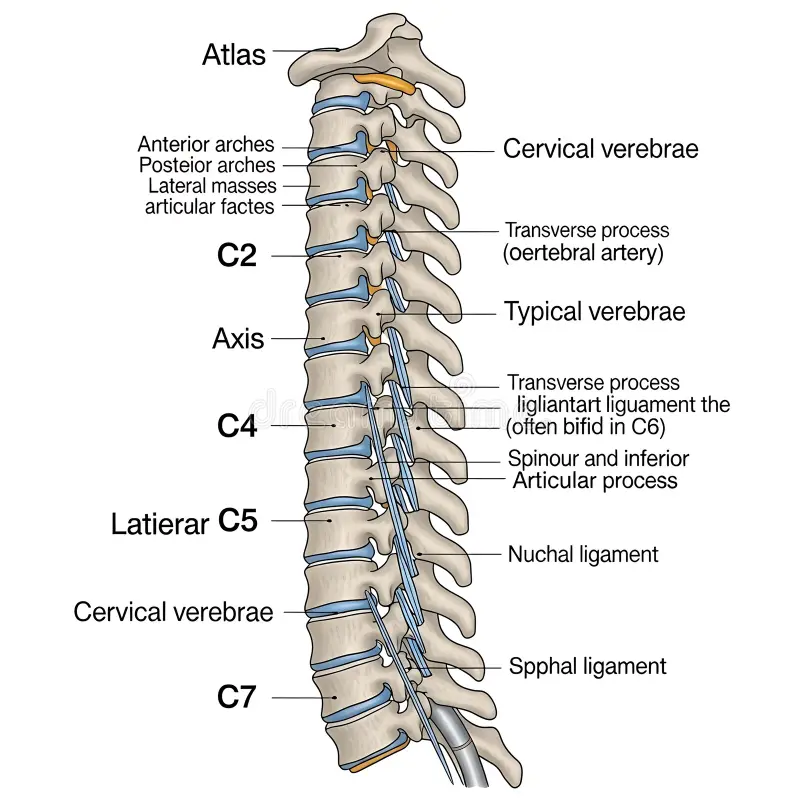
The bones and joints in the upper neck differ significantly from the rest of the spine.
The Lower Spine (C3 Downwards): Each vertebra has interlocking facet joints above and below. This means the spine moves as a unit; as one bone moves, it locks against the next segment. This structure makes it more difficult for individual bones to become misaligned or locked out of position.
The Upper Neck (C1 and C2): There are no interlocking facets between C1 and C2. These bones have much more freedom to move, particularly C1, which allows for over 50% of neck rotation. However, this high degree of mobility allows these bones to become misaligned at their corresponding joints.
C1 articulates directly with the base of the skull, where the occipital condyles sit on top of the bone. Due to the unique angles of these joints, it is possible for C1 to become permanently locked out of position. These vertebrae are primarily stabilised by ligaments rather than segmental control. Because the body cannot always correct these misalignments itself, this type of spinal issue is unique to the upper cervical region.
Neurology and the Nervous System
The nervous system is responsible for controlling every other system in the body. While most current research focuses on full spine chiropractic, the bulk of the research conducted by the original pioneers focused on the upper cervical region.
The Two Main Neurological Perspectives:
- The Dysafferentation Model (Full Spine): This model views the adjustment in terms of restoring motion to a joint. This allows the brain to better understand its environment through proper sensory input via mechanoreceptors in the joints and muscles. The upper cervical spine is particularly relevant here, as its muscles are the most densely populated by mechanoreceptors.
- The Cord Distortion Hypothesis (Upper Cervical): This focuses on how altered alignment impacts the Central Nervous System (CNS). The spinal cord is directly connected to the vertebrae and the base of the skull via the dura mater, dentate ligaments, and myodural bridges.
- Mechanical Tension: Misalignment can place direct tension on the spinal cord.
- Vascular and Fluid Flow: This can alter the blood supply and the flow of cerebral spinal fluid, potentially impacting brain function.
The aim of an upper cervical adjustment is to restore alignment so the CNS can function correctly. The objective is for the vertebra to “hold” its normal alignment, which is why adjustments are not always necessary at every appointment.
Clinical differences
| Upper Cervical | Full spine | |
| Appointment times |
Initial consultation – 60mins Check/Adjustment – 30-60mins |
Initial consultation 30-60mins Check/Adjustment 10-15mins |
| Appointment frequency | Once per week, decreases over time as adjustments become less necessary. | 2-3 times per week, decreasing over time. |
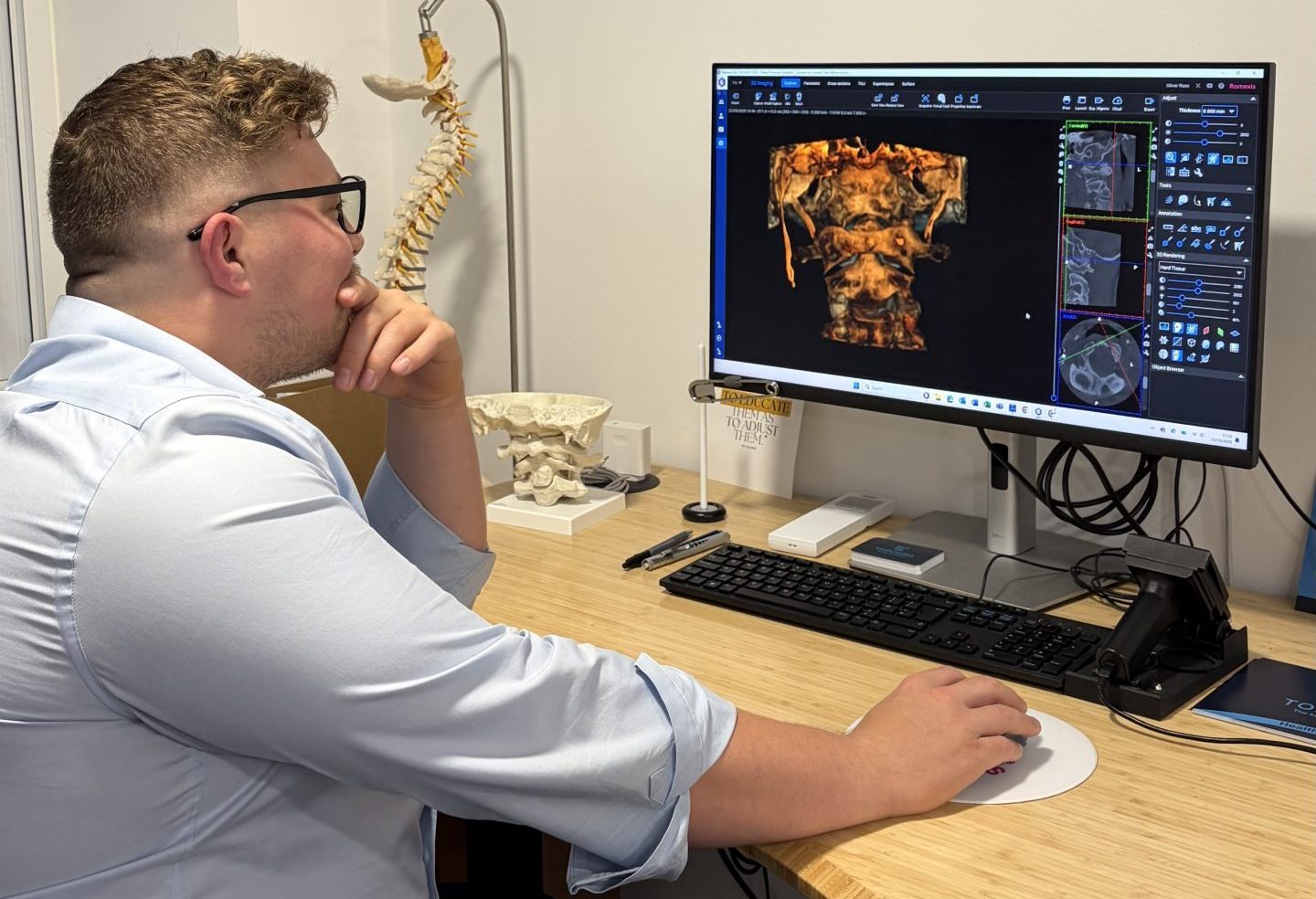
| Imaging |
Cone beam CT or x-ray |
X-ray |
| Thermography | Titron – pattern analysis | Nervoscope – break analysis |
| Other assessment tools | NeckCare assessment | Insight scans |
| Adjustments | Only when indicated by the analysis. After the first one may not always be necessary during follow up appointments. | When indicated by the analysis. Often more frequent. |
Types of Clients and Conditions
While chiropractic care can be beneficial for anyone regardless of health status, different approaches often attract different conditions:
- Full Spine Chiropractic: Primarily focuses on musculoskeletal (MSK) disorders such as back pain, neck pain, sciatica, and disc problems. It is used by athletes and non-athletes alike, often following acute injuries or chronic MSK issues.
-
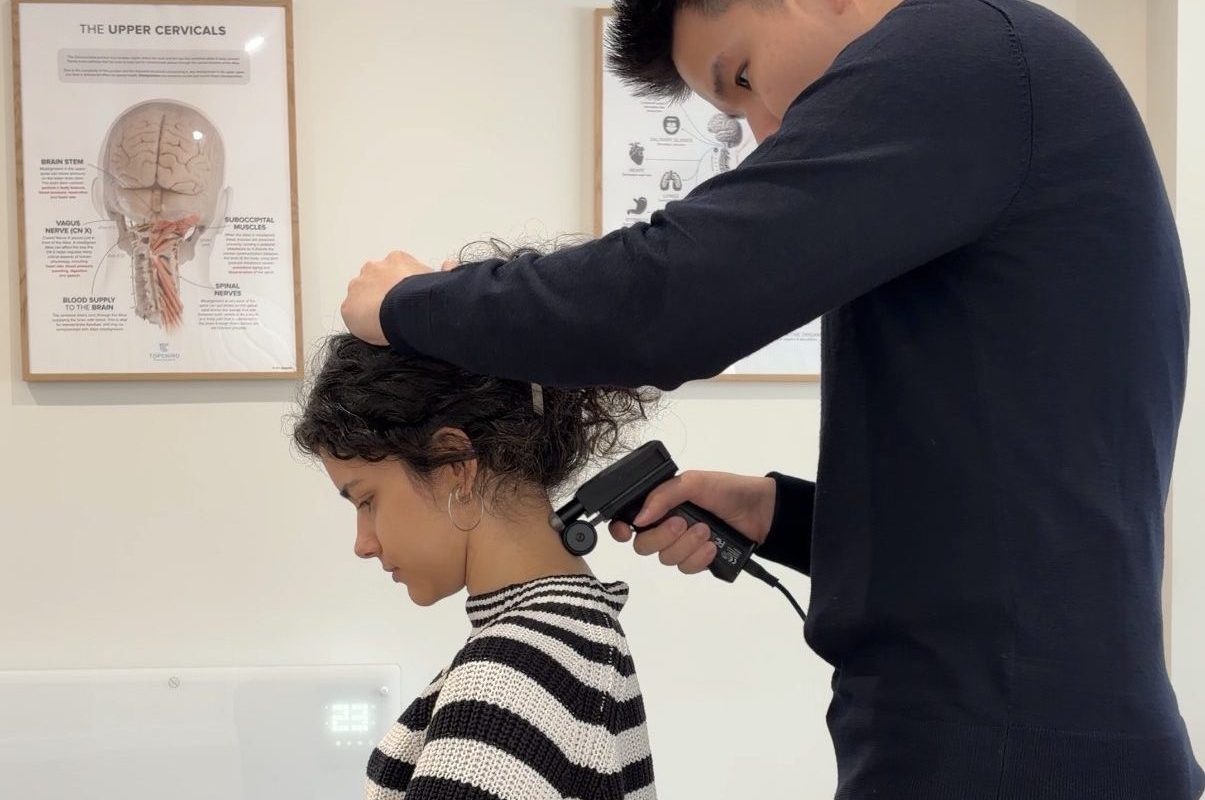
Upper Cervical Care: Often attracts neurological-based conditions, including dizziness, vertigo, migraines, tinnitus, multiple sclerosis, and functional neurological disorder. It also addresses specific injuries like whiplash and concussion.
Once clients experience the benefits, many choose to continue with maintenance checks- similar to a dental check-up- to support their spine and nervous system. These different approaches exist to ensure individual clients receive the specific care needed for their desired results.
If you are curious about which approach is best for you, book a call with our team to help advise you on your first steps to a better life through chiropractic care.