
Regulating Your Fight or Flight Response
Many people experience the feeling of being “stuck” in fight or flight. Often, this happens because of the mounting pressures of daily life. For instance, balancing work, family life, social life, and other responsibilities creates a lot of mental and emotional burdens. Consequently, this stress can cause symptoms in the body which indicate we are not managing the pressure well.
This ongoing strain can leave you feeling “stuck” in a state of heightened alertness – wired, tense, anxious, fatigued, and unable to fully relax. This experience often stems from the dysregulation of the body’s fight or flight response. Although this system is an important survival mechanism designed to protect us in moments of danger, our bodies cannot live in this state for long periods of time

What Is Fight or Flight? Why Do We Need It?
The fight or flight response is your body’s automatic reaction to perceived danger or threat. Specifically, the sympathetic nervous system – part of the autonomic nervous system – controls this reaction.
When your brain perceives a threat – whether it’s a car swerving into your lane or an emotionally stressful event – it rapidly triggers a series of changes within the body to help you survive. These changes may include:
-
Increased heart rate and elevated blood pressure
-
Faster breathing and increased blood flow to muscles
-
Dilated pupils and heightened alertness
-
Reduced digestion
-
The release of stress hormones such as adrenaline and cortisol
This response evolved so we could protect ourselves from immediate physical dangers. Thousands of years ago, this meant escaping predators or defending against threats. However, modern life presents stressors that our brain still perceives as dangerous. As a result, we push into fight or flight more frequently. The issue is not the response itself – as it is essential for survival – but rather that the body struggles to switch it off.
Rest and Digest: Repair mode
When parasympathetic activity is dominant, your body shifts into repairmode. This is the state where long-term healing and recovery occur:
- Heart rate slows and blood pressure normalises
- Digestion improves and breathing becomes calmer
- Muscles relax
- Sleep quality improves
- Tissue healing becomes more efficient
The Signs of Chronic Stress
Many individuals spend far too little time in the repair state, which can contribute to symptoms such as:
- Anxiety and Brain fog
- Digestive dysfunction
- Fatigue and Poor sleep
- Tension headaches and Neck tension
- Dizziness and Elevated heart rate
How the Body Controls Fight or Flight
Several structures within the brain and nervous system coordinate the fight or flight response. For example, the amygdala helps identify threats and processes fear-related signals. Meanwhile, the hypothalamus acts as a command centre, communicating with both the nervous system and endocrine system. When danger is perceived, signals travel through the sympathetic nervous system and activate the adrenal glands to release adrenaline. Additionally, the HPA axis (hypothalamic-pituitary-adrenal axis) helps regulate longer-term stress responses through cortisol release.
The brainstem also plays a major role in autonomic regulation. This is because it controls heart rate, breathing patterns, blood pressure, and the balance between sympathetic and parasympathetic activity. This entire system reacts quickly and automatically without any conscious thought.
Autonomic Balance
The autonomic nervous system works best when there is flexibility between sympathetic and parasympathetic states. Experts often refer to this concept as autonomic balance or autonomic adaptability.
Healthy nervous systems can appropriately ramp up stress responses when needed and then efficiently return to baseline afterward. In other words, it’s like driving a car where the sympathetic nervous system is the accelerator and the parasympathetic nervous system is the brake. Both are necessary; however, problems occur when someone constantly presses the accelerator without using the brakes. Indeed, chronic sympathetic dominance (fight or flight) is associated with inflammation, digestive disorders, and chronic pain.
The Vagus Nerve
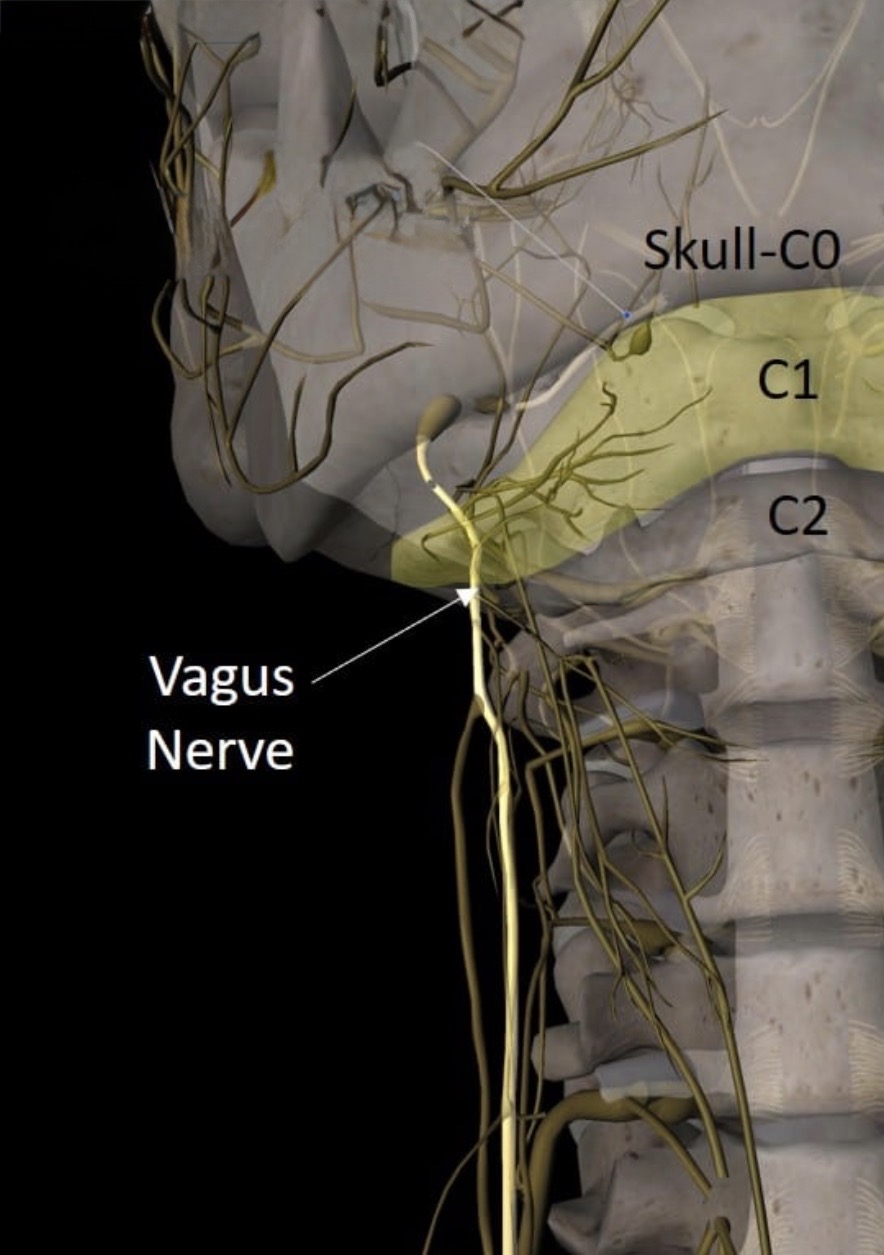
One of the most important players in parasympathetic regulation is the vagus nerve. This tenth cranial nerve helps regulate numerous automatic functions including heart rate, digestion, and breathing rhythm.
The vagus nerve serves as a major communication pathway between the brain and organs throughout the body. Because around 80% of vagal fibres carry sensory information from the body back to the brain, they constantly update the brain about what is happening within the body. Consequently, good vagal tone is associated with better stress resilience and improved digestion. On the other hand, poor vagal tone may contribute to feeling chronically “on edge.” You can even monitor your vagal tone through heart rate variability testing (HRV) on many wearable devices.
How Upper Cervical Chiropractic Can Help
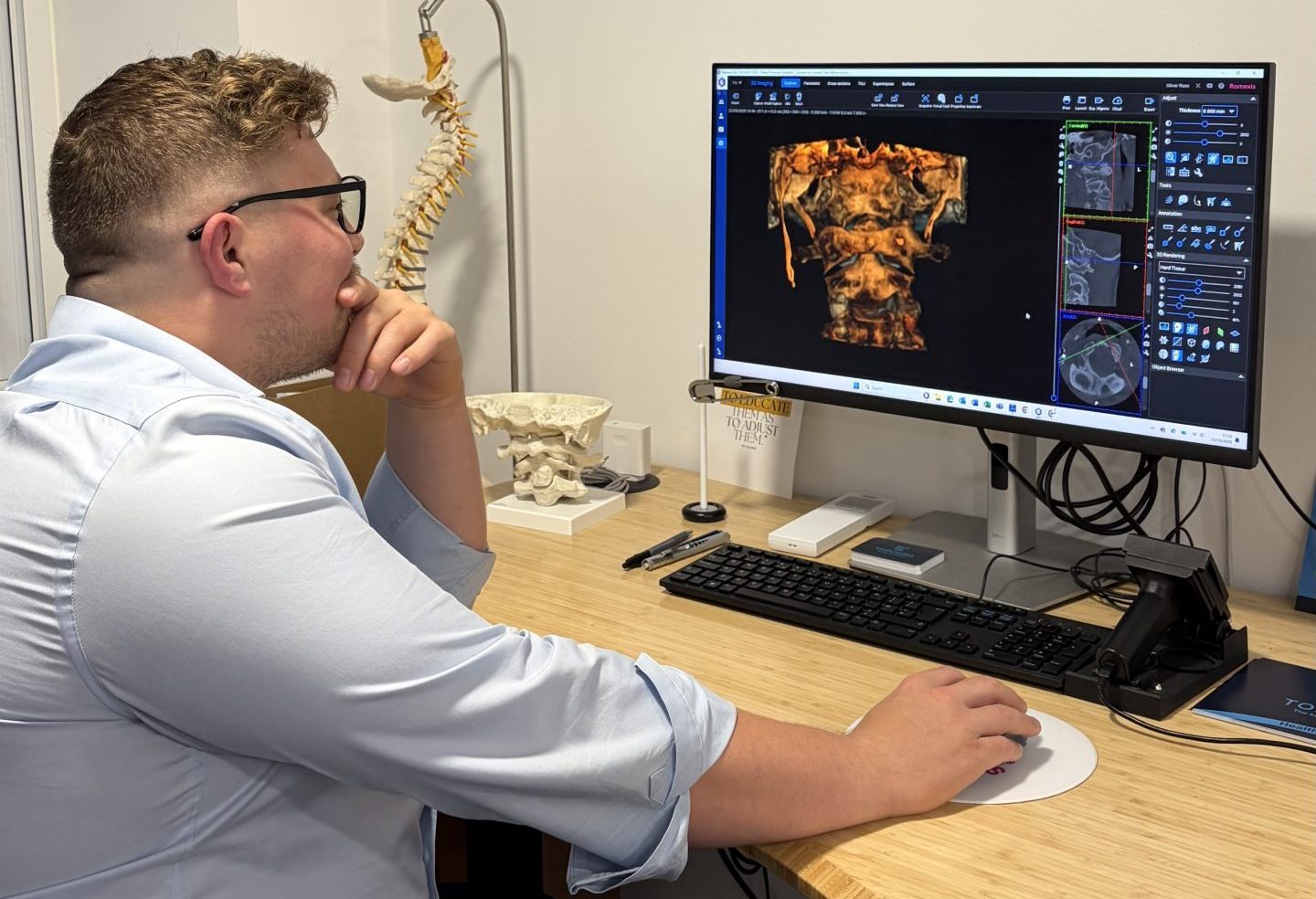
Upper cervical chiropractors focus on the relationship between the upper neck and the nervous system. The C1 and C2 vertebrae sit directly beneath the skull and surround the lower brainstem, which is where the vagus nerve exits the spine. Therefore, biomechanical issues in this area, such as misalignment or instability, can cause issues in the nervous system and alter autonomic balance.
Once the chiropractor identifies and addresses the issue, many patients report:
-
Reduced neck tension and reduced headaches
-
Improved sleep and greater relaxation
-
Better stress resilience
-
Improved balance and reduced dizziness
If you’ve noticed a change in the way you deal with stress and your normal coping strategies aren’t working anymore, then you may need to look a little deeper. Checking how your nervous system is working is a great first step. Book a call with one of our chiropractors to find out if upper cervical care could help you.