
Temporomandibular Joint (TMJ) pain refers to discomfort or dysfunction in the jaw joint and surrounding muscles. This joint connects your lower jaw (mandible) to your skull and is essential for everyday actions like chewing, speaking, and yawning. TMJ pain often includes jaw tension, which is tightness or discomfort in the muscles around the jaw.
Jaw pain can be more than just an annoyance, it can affect how you eat, speak, sleep, and even your posture. If you have ever experienced clicking, tension, or pain when opening your mouth, you might be dealing with TMJ dysfunction.
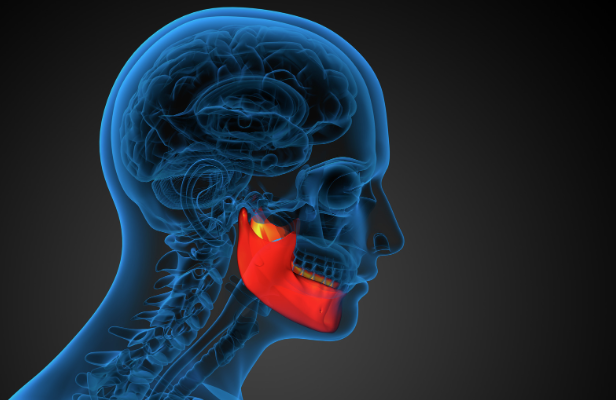
What Causes Jaw Pain and Tension?
There are several common factors that contribute to jaw discomfort, including:
-
Teeth grinding or clenching (bruxism): Often occurring during sleep or times of stress.
-
Stress and anxiety: Leading to subconscious tightening of the jaw, neck, and shoulder muscles.
-
Poor posture: Especially a forward head posture from long hours of desk work or using mobile devices.
-
Previous dental work or injury: Direct trauma or prolonged mouth opening during dental procedures.
-
Muscle imbalance: Tension or restricted movement in the jaw or upper spine.
Because the TMJ is closely connected to the muscles and nerves of the neck and upper back, restricted movement in one area can frequently influence the other.
How Can Chiropractic Care Help with TMJ Pain?
The Connection Between the Upper Neck and the Jaw
The upper cervical spine (neck) plays a crucial role in maintaining the natural alignment and balance of your head, jaw, and neck. The atlas (C1) and axis (C2) vertebrae support the head and facilitate nerve movement between the brain and the body.
When joint movement in the upper neck is restricted, it can contribute to muscle tightness and asymmetrical strain across the jaw joint. Research highlights that addressing upper cervical spine function and joint mobility may support overall management for individuals suffering from TMJ discomfort.
How Chiropractic Management Supports Jaw Comfort
Here is how a chiropractor may support individuals suffering from TMJ dysfunction:
1. Improving Neck and Jaw Joint Mobility
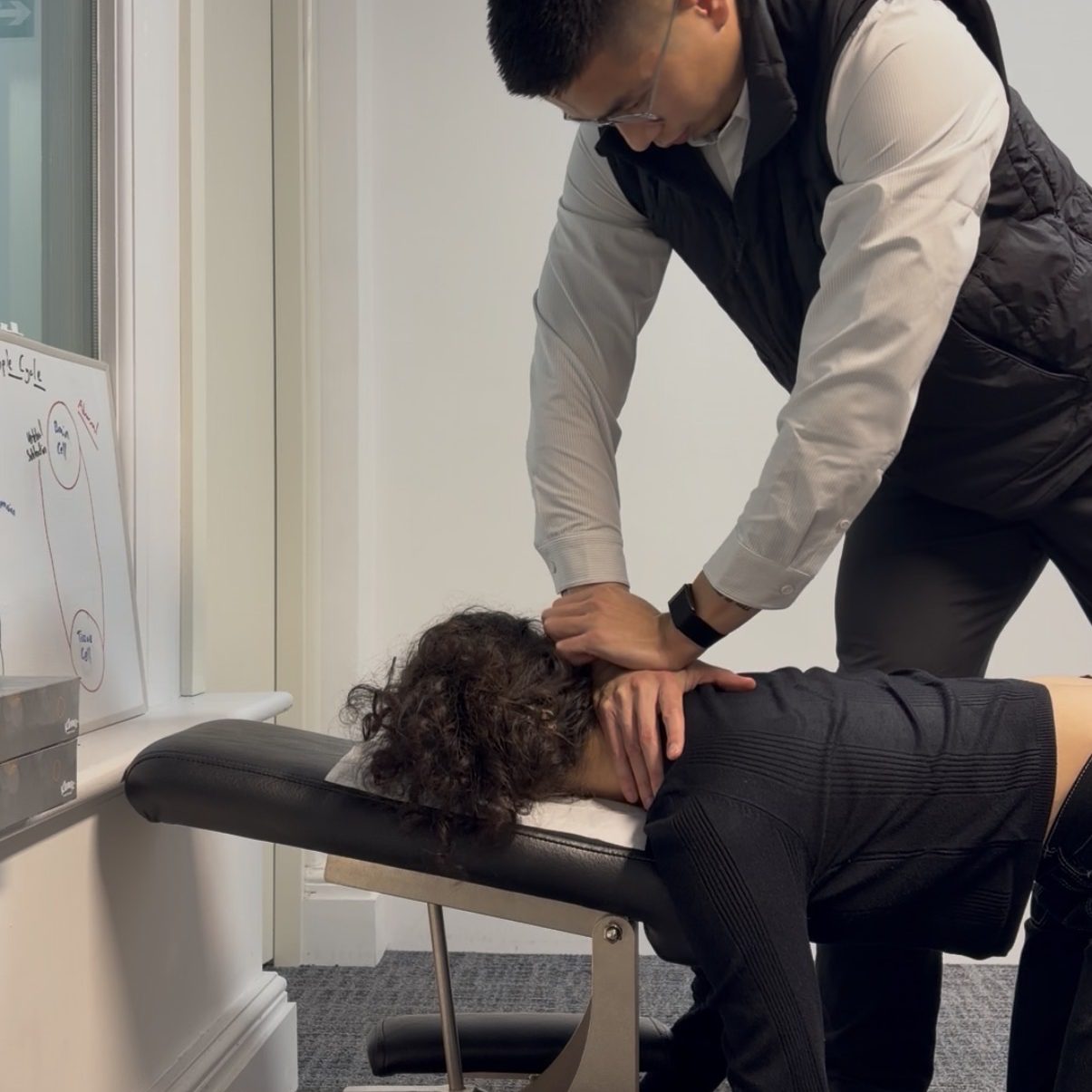
Restricted movement in the cervical spine can alter how the jaw opens and closes. Gentle chiropractic adjustments help restore proper joint motion, reducing strain on the surrounding muscles.
2. Releasing Muscle Tension
Tight muscles in the neck, shoulders, and face directly contribute to jaw discomfort. Chiropractors use soft tissue techniques to relax overactive muscles and improve local mobility.
3. Easing Nerve Irritation
Nerves controlling jaw movement pass through the upper neck area. Addressing joint dysfunction and postural strain in the neck helps ease mechanical irritation on these nerve pathways.
4. Postural and Ergonomic Advice
Many cases of jaw tension relate to daily habits – sitting at desks, phone use, or stress-related clenching. Your chiropractor can offer tailored advice on ergonomics, stretches, and lifestyle adjustments for long-term comfort.
If you think our approach may be right for you or if you want to find out more, why not book a complimentary 15 min call with one of our Chiropractors.
Frequently Asked Questions About TMJ Pain
Can a neck issue cause jaw pain?
Yes. The upper neck muscles and joints directly interact with the muscles controlling the jaw. Poor posture or restricted motion in the upper cervical spine often manifests as tension or pain in the jaw.
When should I see a chiropractor for jaw pain?
If you experience persistent jaw clicking, difficulty chewing, chronic headaches, or neck tightness alongside jaw pain, a professional evaluation can help identify the root physical causes.
Follow us on social media
Reference
- Chu ECP, Lee WT, Chau C, Wong E, Cheng HY. Temporomandibular disorder treated with chiropractic therapy. Cureus. Published online 19 March 2023. doi:10.7759/cureus.36377