
How Upper Cervical Chiropractic Affects Your Nervous System
A lot of the people who come to see us have already been told there’s nothing structurally wrong. They’ve had the scans, seen the GP, maybe tried physio. And yet something is clearly off: the headaches keep coming back, the sleep is patchy, the shoulders haven’t dropped in months. There’s that background tension that never fully switches off.
What usually isn’t discussed is the nervous system. Not in any practical sense, anyway.
Where we actually start
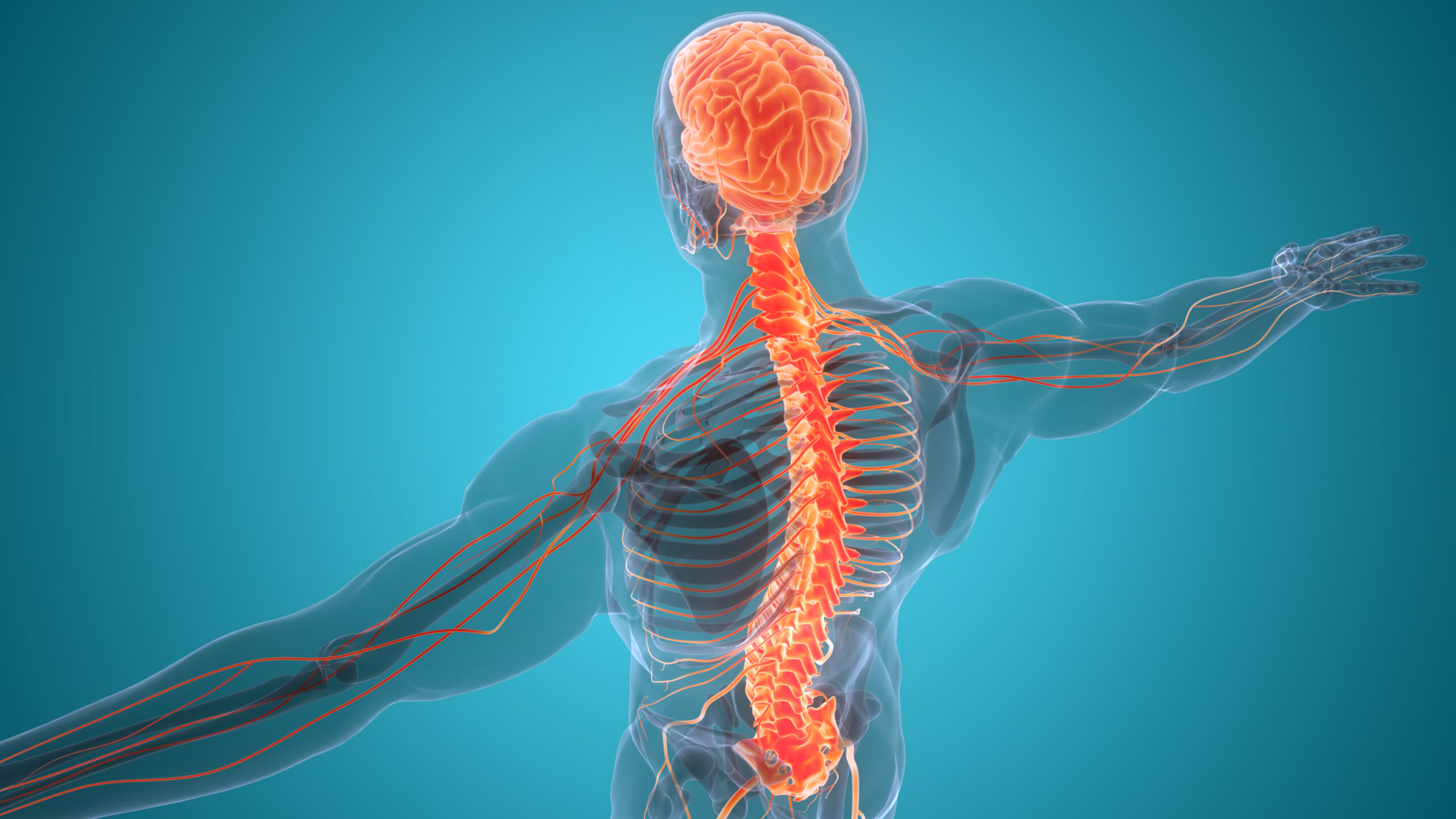
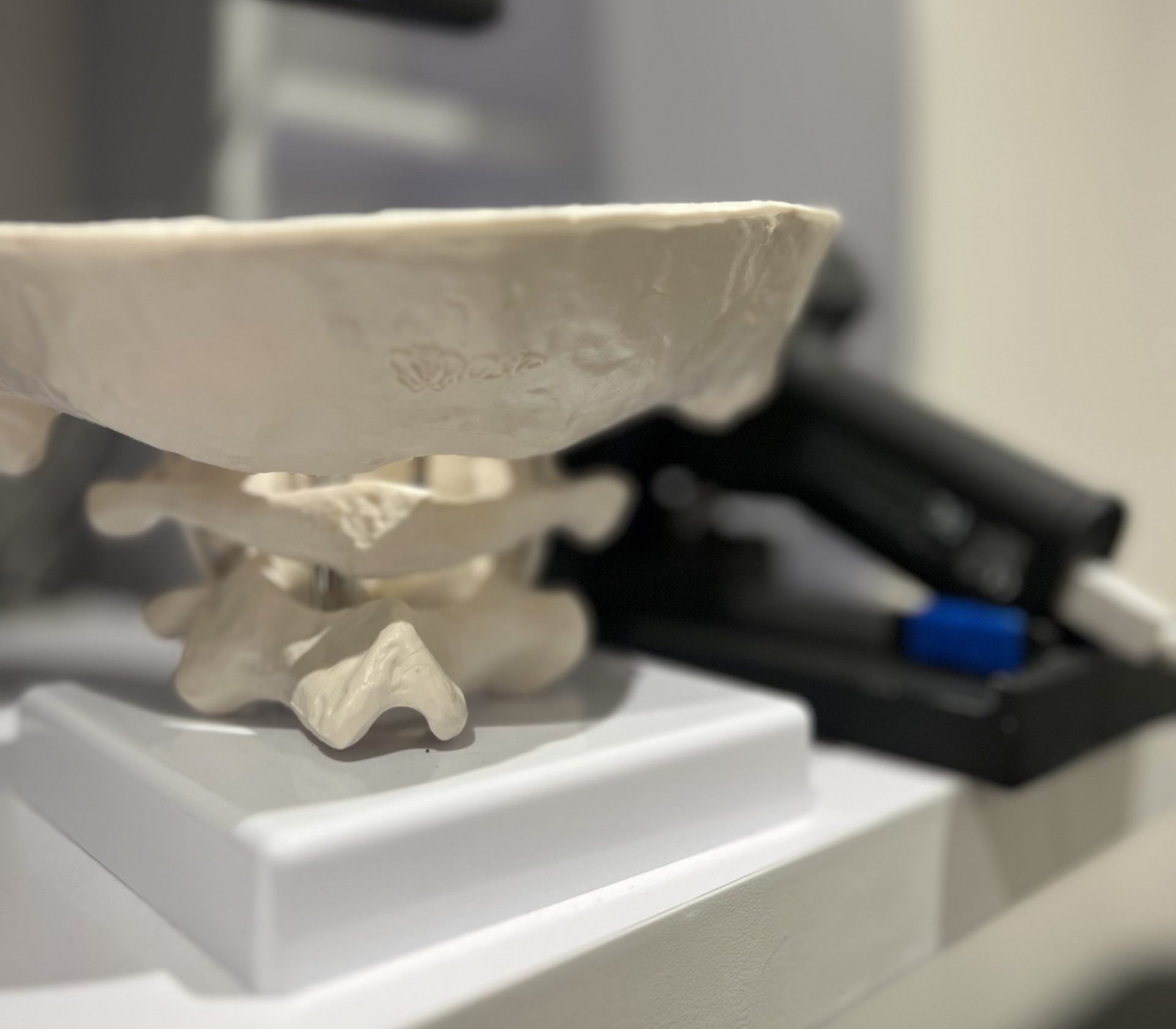
Upper cervical chiropractic focuses on the top two bones of the spine: the atlas (C1) and the axis (C2). These sit right at the base of the skull, surrounding the brainstem.
The brainstem runs the things your body does automatically: heart rate, breathing, blood pressure, digestion, stress hormone regulation. Every signal between your brain and the rest of your body passes through it. It’s not an exaggeration to say it’s the most communication-dense part of your entire nervous system.
Even a small shift in the atlas or axis creates interference in that area. And because of what lives there, the effects tend to show up in places that seem completely unrelated to your neck.
How misalignments happen here
The atlas and axis can lose their optimal position in several ways, and it’s rarely just one thing.
Physical injury is the most obvious. Whiplash from a car accident, a fall, a sports collision, or even birth trauma can shift the atlas quite dramatically. These events get noticed. What’s less obvious is the cumulative effect of smaller impacts: years of poor posture at a desk, repeated strain, sleeping awkwardly. The joint doesn’t always need a dramatic event to drift.
Emotional and psychological stress has a more direct physical effect than most people realise. Sustained stress keeps the muscles of the neck and shoulders in a state of low-level contraction. Over time, that chronic tension can pull the atlas out of position, not through force, but through the gradual, unrelenting tightening of the surrounding tissues. Grief, burnout, prolonged anxiety, a difficult period at work: these aren’t separate from the spine. They live in the body.
Illness, toxins, and chemical stress are less talked about but relevant. Prolonged illness, infections that cause severe inflammation, or the accumulation of chemical stressors can affect how well the body maintains its own structure and repair. The ligaments and muscles holding the upper cervical spine in place are like any other tissue; they respond to the overall condition of the body.
The reason this matters is that people often arrive wondering whether a single event caused their problem. Sometimes it did. But more often, several of these factors have layered over time.
The part about fight or flight (which is less obvious than people think)
Most people have heard of fight or flight. Fewer people realise they might be stuck in it.
The sympathetic nervous system (the fight or flight side) accelerates heart rate, raises cortisol, keeps muscles slightly braced. It’s genuinely useful when you need it. The parasympathetic side handles the recovery: sleep, digestion, immune function, the ability to feel calm without effort.
The clients who describe feeling permanently “on,” tired but wired, struggling to wind down, running on adrenaline through the week and then crashing at weekends: that’s often sympathetic dominance. The system got stuck in a gear it can’t get out of on its own.
Research using heart rate variability (HRV), which measures how well the autonomic nervous system is regulating, has found that upper cervical corrections can shift this balance towards the parasympathetic. The body starts doing more of its own regulation once the interference at the top of the spine is reduced. Worth noting: HRV is one of the measures we encourage clients to track during care, so we can actually show people what’s changing rather than asking them to take our word for it.
What the research actually says
A randomised crossover study compared HRV, blood pressure, and heart rate before and after adjusting either the upper cervical spine (C1/C2) or the lower cervical spine (C6/C7). The upper cervical corrections produced measurable changes in autonomic function; the lower cervical work didn’t produce the same results. The implication being that it’s not just the act of adjusting: the location matters.
Diastolic blood pressure was also found to drop significantly in a study following cervical adjustments, again pointing to a parasympathetic response. The Journal of Upper Cervical Chiropractic Research has published case research tracking HRV before and after corrections; in the cases studied, HRV improved following the adjustment.
These are smaller studies, and the research base for upper cervical care is still developing. But the autonomic pattern shows up consistently enough that it’s hard to ignore.
What clients actually notice
The predictable things, reduced headaches, less neck tension, people expect those. What tends to catch them off guard is the other stuff.
One client I remember had been coming in for migraines. A few weeks in she mentioned, almost as a side note, that she’d slept properly for the first time in about two years. Another came for neck pain following a car accident and told me he’d stopped having the 3pm crash he’d had every single day for years. Neither of them expected those things. They weren’t why they’d booked.
What’s happening in those cases is that the nervous system has more capacity to regulate once the interference is removed. It’s not a specific remedy for sleep or energy; it’s that when the brainstem region is clear, the body does more of what it was already designed to do.
A few things people ask
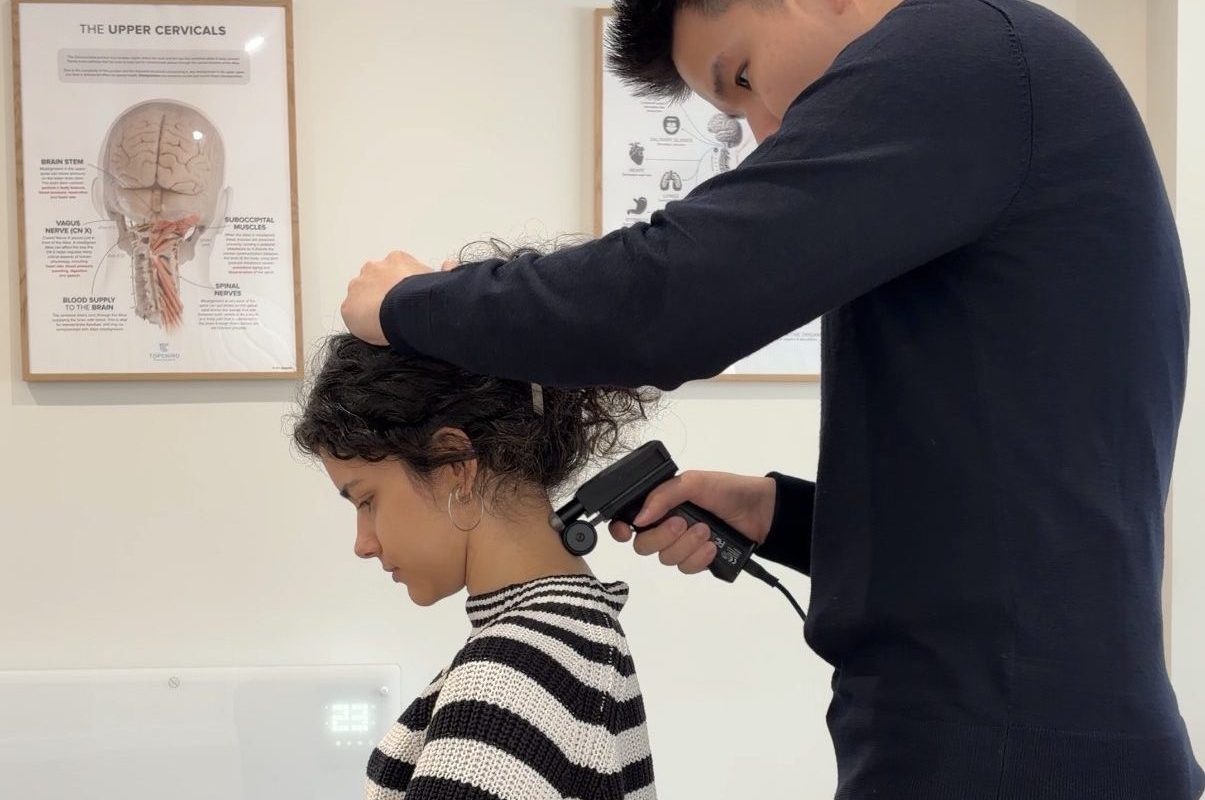
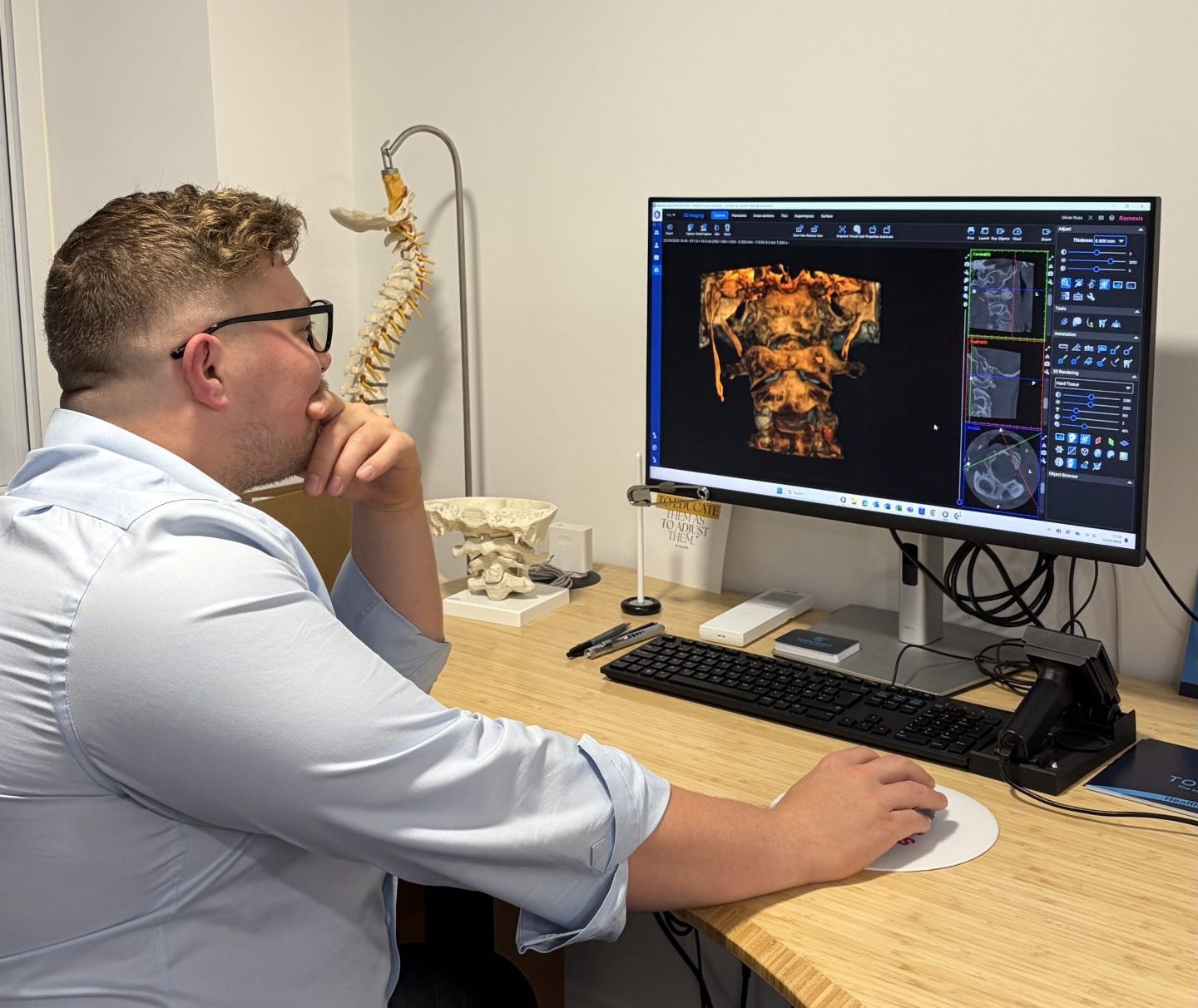
Is this the same as regular chiropractic? The focus is quite different. We’re working specifically at the top of the spine, guided by detailed analysis before any correction is made. The corrections are gentle, no twisting or cracking of the neck. Some people are quite surprised by how subtle the work actually is.
Do I need to be in pain to come? No. Plenty of clients come in because something feels off even if they can’t quite name it: not sleeping well, not recovering well, that vague sense of being slightly below par. You don’t need to be in acute pain for upper cervical care to be relevant.
How long does it take to notice a difference? It varies, and it would be dishonest to say otherwise. For some people the changes come quickly; for others it takes longer, particularly if the pattern has been there for years. What tends to happen is a gradual building rather than a single moment.
If you want to find out more
We offer an initial assessment that maps out how your nervous system is currently functioning, using thermography and HRV analysis, and gives us a clear picture of whether upper cervical care is the right fit for you.
References
- Welch A., Boone R. (2008). Sympathetic and parasympathetic responses to specific diversified adjustments to chiropractic vertebral subluxations of the cervical and thoracic spine. Journal of Chiropractic Medicine, 7(3), 86–93.
- Chu ECP, Chakkaravarthy DM, Bhaumik A. (2016). Effects of upper and lower cervical spinal manipulative therapy on blood pressure and heart rate variability. Journal of Physical Therapy Science, 27(3).
- Frontiers in Neuroanatomy (2021). A topographic atlas of the human brainstem. DOI: 10.3389/fnana.2021.627656
- Journal of Upper Cervical Chiropractic Research (2021). Correlation between HRV and spinal subluxations.
- UC Spine Care (2026). Why the atlas and axis matter more than most people realise. ucspinecare.com