
Our bodies are amazing. They are intelligent systems capable of many different functions. The body is made of multiple different systems which are composed of different types of tissue. Each tissue is made up of specific types of cells which have specific jobs. For example, muscles are made up of muscle cells which have the function to contract to produce movement.
The muscles require a blood supply so they also have vascular tissue (blood vessels) to deliver blood to and from the muscle. We have a skeleton, made up of bone tissue which gives us structure. Each type of tissue has different properties to suit its actions and requirements.
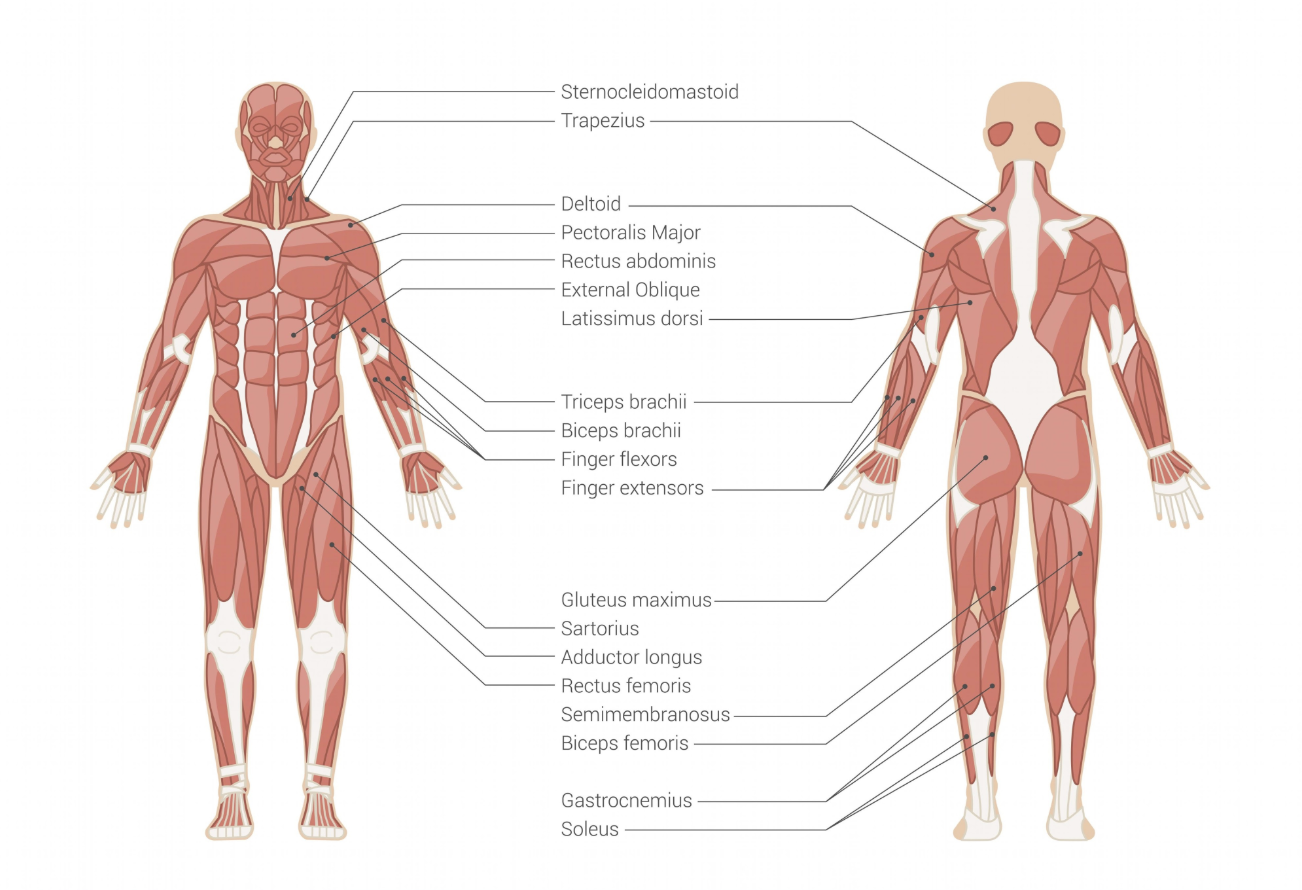
These different systems require a centralised control system to know how to behave and function in a coordinated manner. That is the job of the nerves, carrying messages from the brain cells to the tissues cells and back again so that all the different types of tissue have harmonious action for mutual benefit of the organism, thus maintaining the health of the body.
The Mechanism of Cellular Renewal
But what happens when damage or dysfunction occurs? How do we heal? Healing is a complex process and requires the right environment and resources in order to occur effectively and efficiently.
The Logic of Repair
The way in which the body heals is reliant on the creation of new living tissue. The body doesn’t try to fix a damaged or dysfunctional cell; the cell gets broken down as it is no longer useful to the rest of the organism. The body then produces new cells to replace it.
The Timeline of Change
If these new cells are healthy and well-developed, then optimal healing can occur. If this process is interrupted or if there is faulty cell replication, then further dysfunction will occur, and the health of the person suffers. This process happens continuously; every 7 years, your body is made of new cells.
Understanding Tissue Regeneration Times
Different types of tissue take different amounts of time to heal and regenerate. Below is a guide to different tissue types and the range of healing times they require:
| Tissue Type | Typical Healing Time | Notes |
| Skin (epidermis) | 3–7 days | Minor cuts and abrasions heal quickly due to high cell turnover |
| Skin (dermis / deeper wounds) | 1–6 weeks | Scar maturation can take 12–24 months |
| Muscle | 2–8 weeks | Good blood supply allows relatively fast healing |
| Tendon | 6–12 weeks initial healing | Full strength recovery 6–12 months |
| Ligament | 6–12 weeks | Complete remodeling 6–12 months |
| Bone | 6–12 weeks | Full remodeling up to 12 months |
| Cartilage (articular) | Months or incomplete | Poor blood supply limits healing |
| Fascia / connective tissue | 3–12 weeks | Full remodeling may take 6+ months |
| Peripheral nerves | ~1 mm/day regrowth | Recovery may take months to years depending on distance |
| Blood vessels | 2–21 days | Small vessels heal fastest |
| Liver tissue | 4–8 weeks | High regenerative capacity |
| Gut lining (mucosa) | 2–7 days | One of the fastest regenerating tissues |
| Kidney tissue | Weeks to months | Limited regeneration |
| Lung tissue | 2–6 weeks | Depends on injury severity |
| Intervertebral discs | 6–12 weeks symptom improvement | Structural healing limited |
| Meniscus (vascular zone) | 3–6 months | Avascular zone heals poorly |
| Central nervous system | Limited regeneration | Functional recovery relies on neuroplasticity |
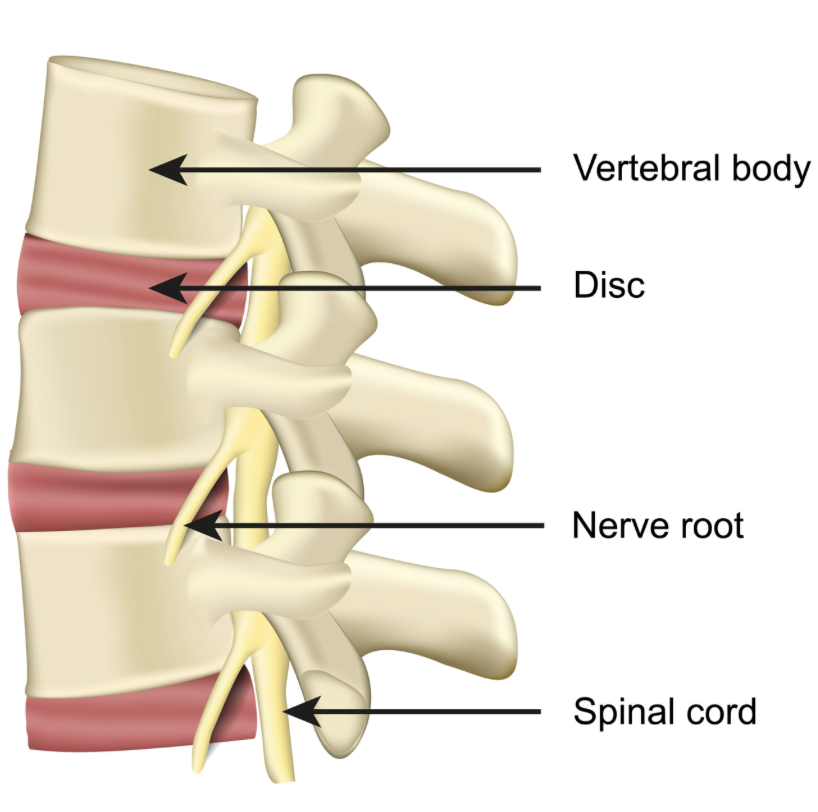
Neuroplasticity and Functional Recovery
From this data, you gain an appreciation for just how long healing can take. Note the healing time for the
Neuroscience has taught us about
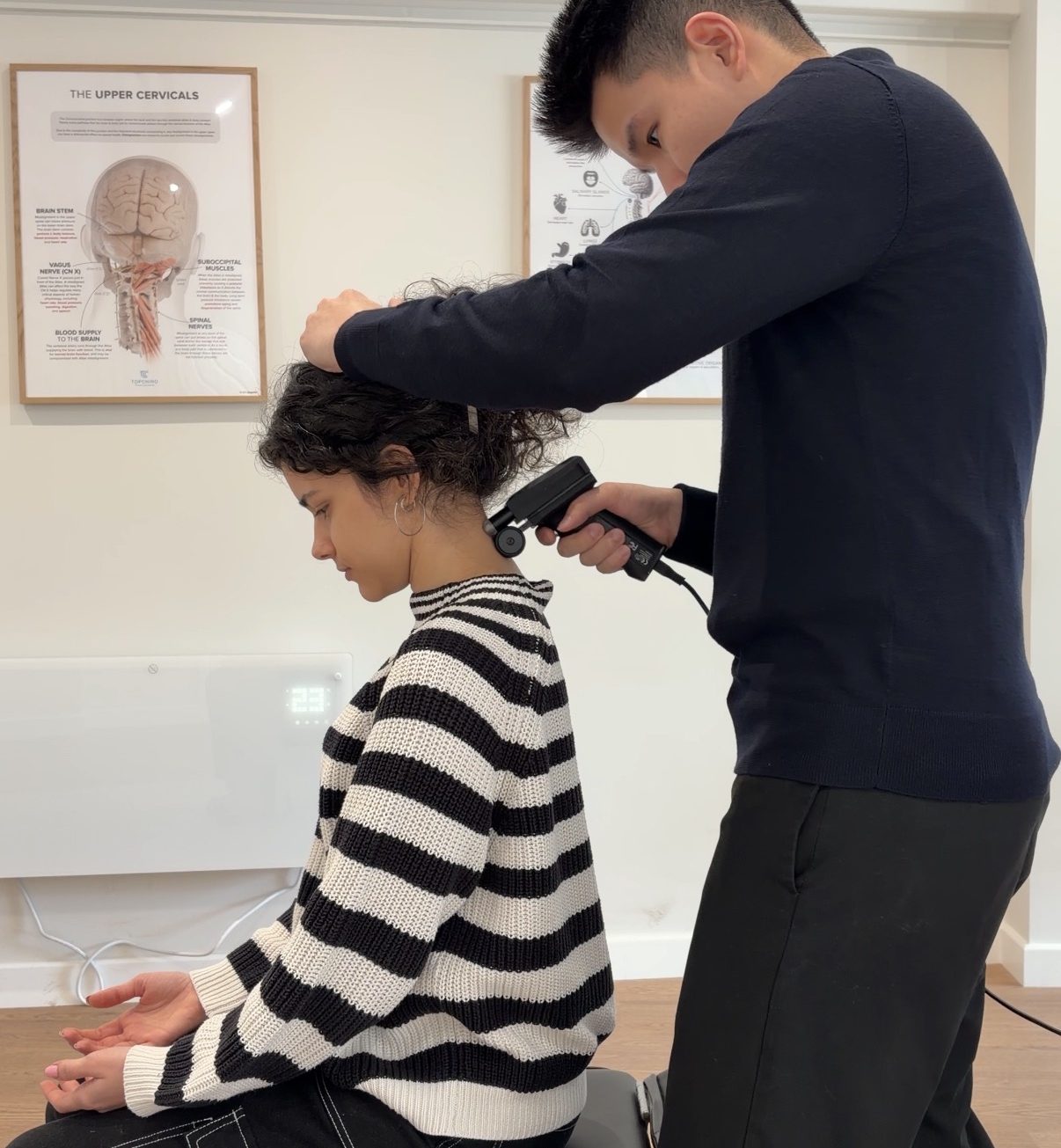
For example, in certain dizziness disorders, the brain processes information from the eyes, vestibular system, and proprioceptive system. When we start chiropractic care and the signalling corrects itself, the brain goes through a steep learning curve of neuroplasticity. This often takes months, which is why patients need ongoing support.
Support Your Body’s Intelligence
Healing is a fascinating process, and
Ready to support your body’s natural healing process? Click above to schedule your consultation.