
In Part 1, we explored what whiplash is, how it occurs, and how it can affect the neck, spine, and nervous system. We also covered other types of injuries and conditions that can occur alongside a whiplash event. Because of the complex and sensitive nature of the neck, a detailed assessment of all relevant structures and tissues is key to understanding your overall health and recovery.
To get a complete picture, we conduct a comprehensive 3-part whiplash assessment in our offices:
- Structural Testing
- Neurological Testing
- Precision Imaging
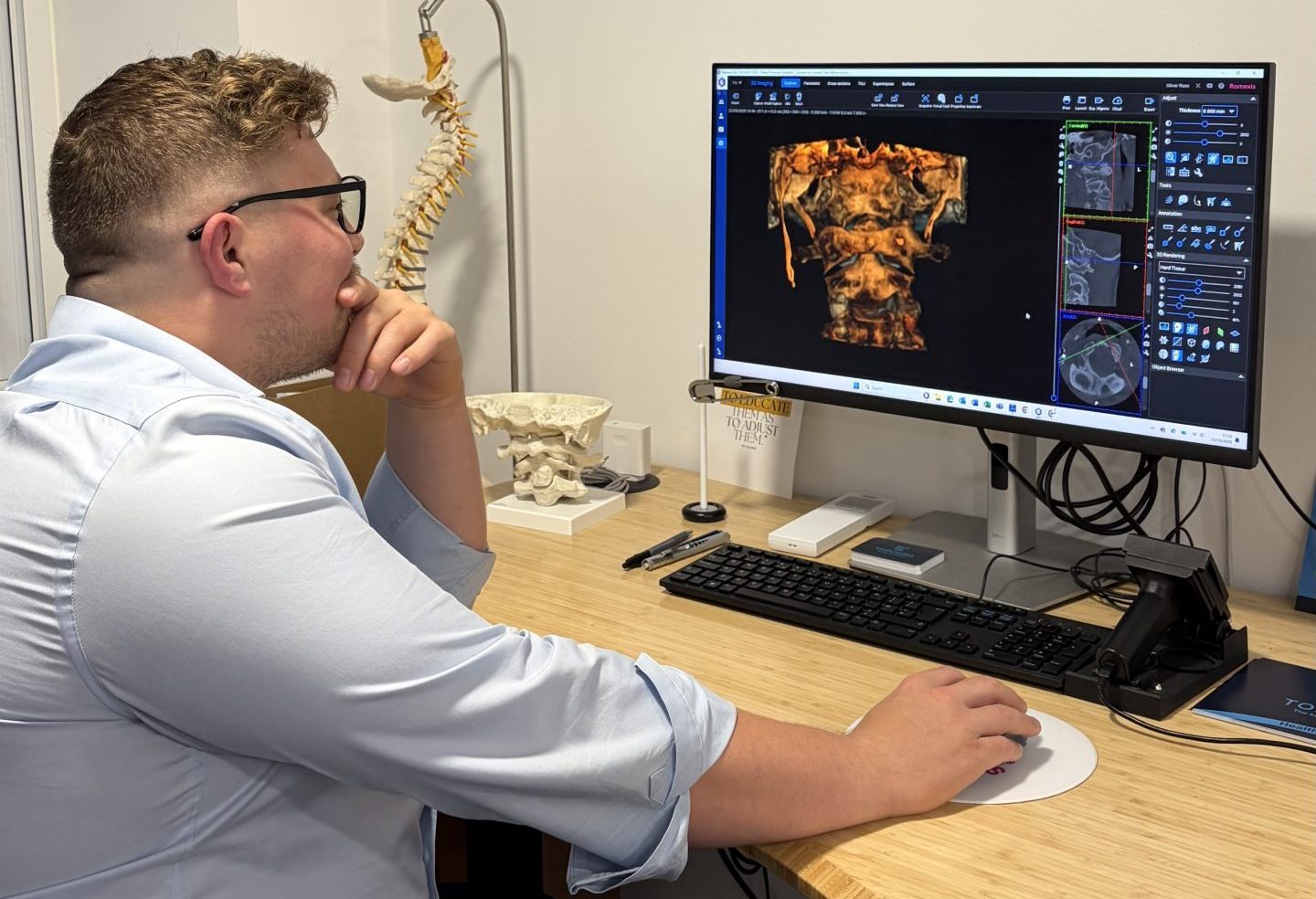
1. Structural Testing
During the structural phase of the whiplash assessment, we evaluate how the joints, muscles, and soft tissues of your neck and spine are functioning together.
Technology-Assisted Evaluation (NeckCare System)
In our office, we use the NeckCare system as part of our structural testing. This advanced technology allows us to examine neck movement in three precise ways:
-
Range of Motion: We measure any restrictions in movement to gather precise numerical data. While the computer takes these measurements, we observe how your neck is moving to assess the quality of movement and muscular recruitment. This helps us understand how the muscles and joints are working together.
-
Joint Position Error (Proprioception): This test assesses the quality of joint movement. It tells us if the brain is receiving accurate positional information from the joints, which provides crucial clues regarding possible facet joint involvement.
-
Dynamic Response: This final test assesses more complex neck movements in response to a visual stimulus, offering further information about what specific structures might be involved in the injury.
(To learn more about how we use this technology, check out our full blog post on the NeckCare system.)
Hands-On Physical Examination
Following computerised testing, we perform a detailed hands-on assessment. This allows us to:
-
Identify which specific muscles are involved, looking closely at patterns of tightness or weakness.
-
Check throughout different areas of the neck for localised joint restriction, inflammation, and tenderness.
-
Identify indicators of joint instability or Cranio-Cervical Instability (CCI), which informs what type of precision imaging may be required.
Postural & Alignment Analysis
Finally, we examine your overall posture. We primarily focus on head position to identify any distortion through the neck and upper back. From there, we evaluate full-body posture to identify compensation patterns or secondary issues occurring further down the spine.
2. Neurological Testing
As mentioned in Part 1, whiplash injuries and concussions often share overlapping symptoms. Because the neck and nervous system are so intimately connected, both areas should be thoroughly investigated. A detailed neurological assessment is critical for mapping out neurological function.
Brainstem & Cranial Nerve Assessment
The brainstem is a vital area of focus. We evaluate brainstem function primarily through cranial nerve testing. Because the cranial nerves coordinate function in the head, neck, and face, a full assessment involves observational and functional testing, including:
-
Eye movement tracking and coordination.
-
Facial and neck muscle function.
-
Facial sensory function.
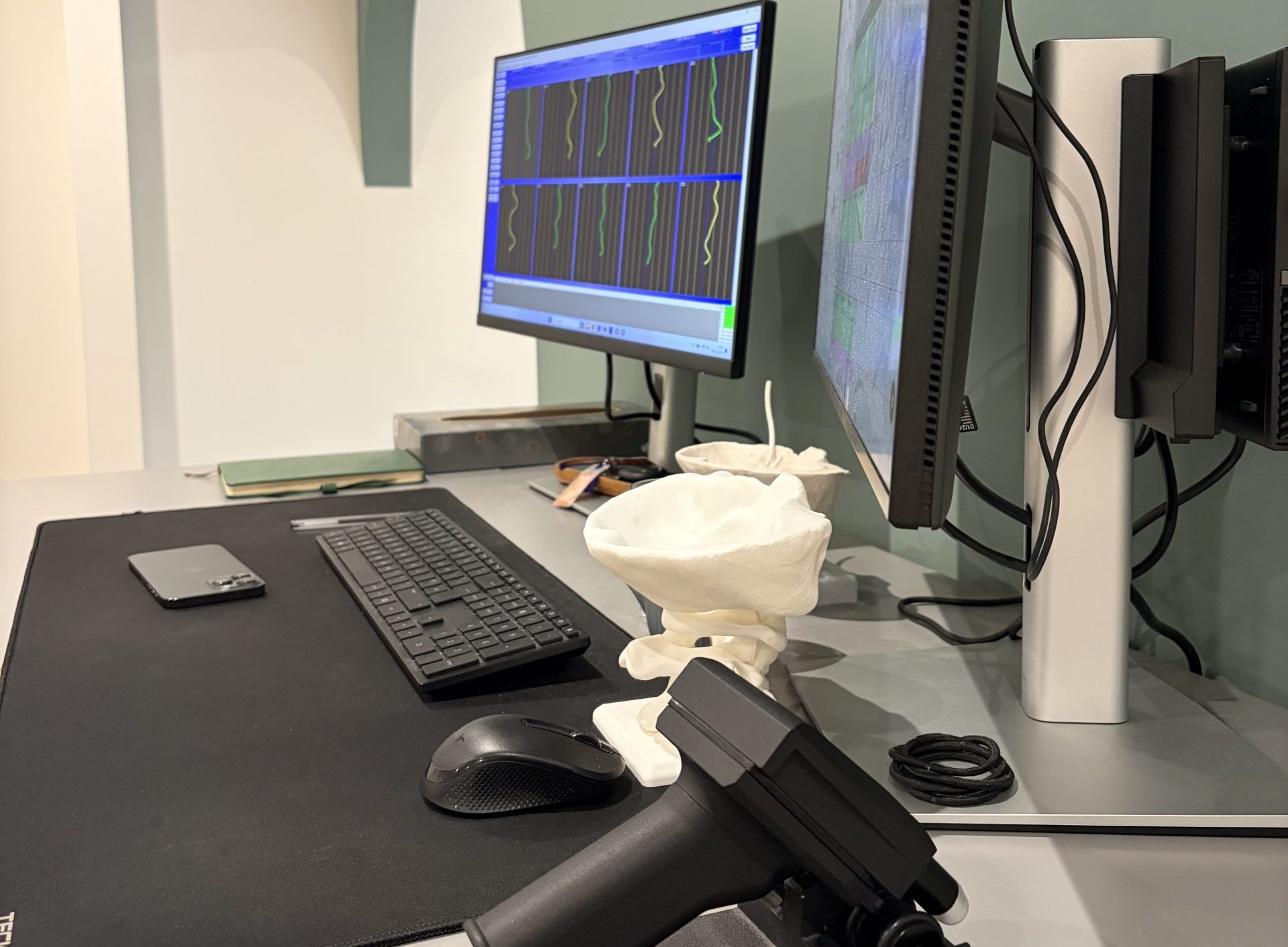
Paraspinal Thermography
We also utilise paraspinal thermography to measure thermal patterns along the cervical spine. This non-invasive tool offers key insights into neurological function and stress response following a neck injury.
Peripheral Nerve Testing
It is equally important to assess the spinal nerves in the lower neck, which innervate the arms and hands. We perform targeted checks for:
-
Sensory function
-
Muscle strength and activation
-
Deep tendon reflexes
If indicated, the same nerve function testing is performed for the lower limbs, as some patients report neurological symptoms affecting both upper and lower limbs following a cervical spine injury.
3. Precision Imaging
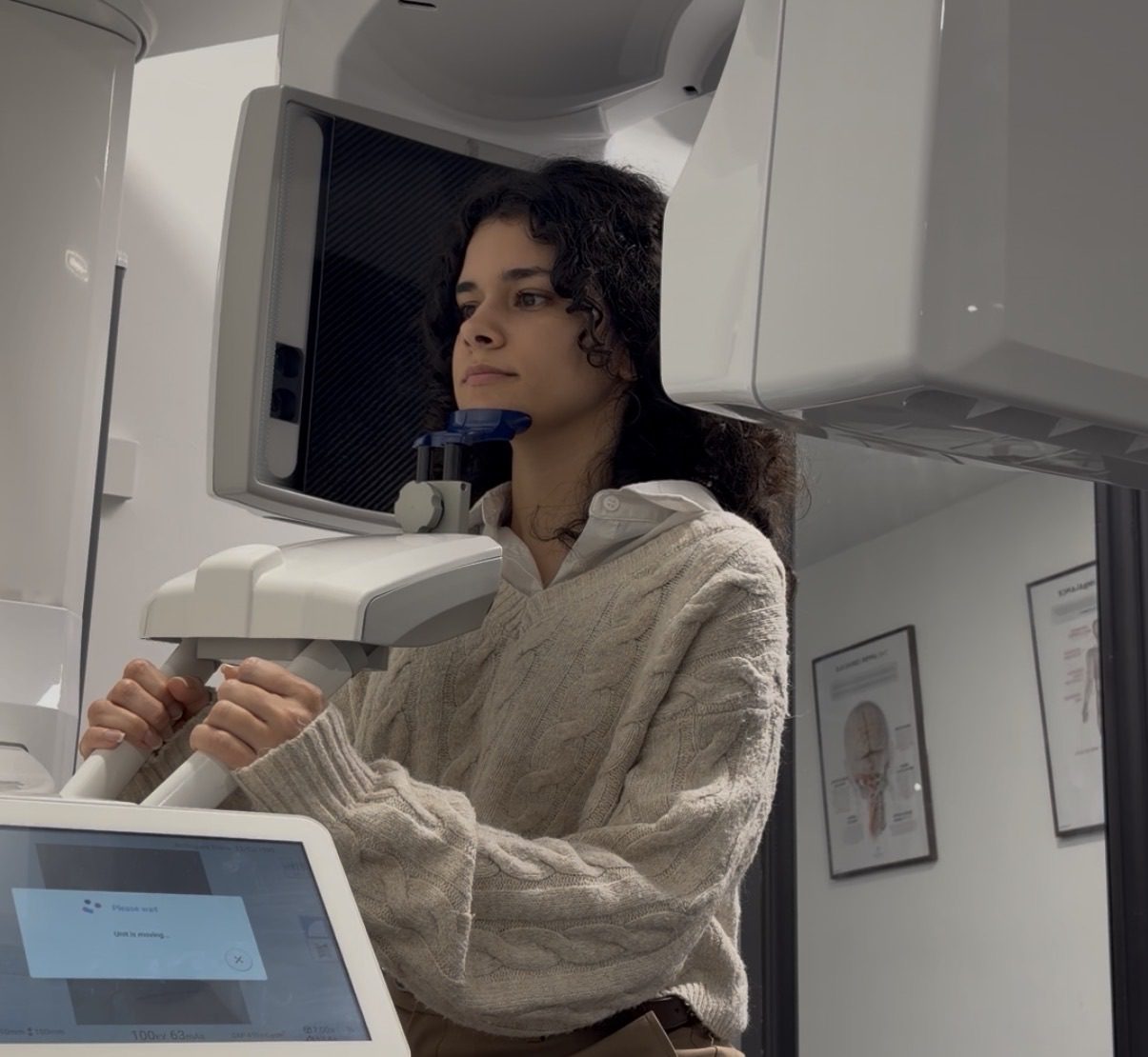
The final component of our evaluation is clinical imaging. Objective imaging adds a critical layer of precision to our structural testing, helping us understand the exact nature of the injury so we can tailor our chiropractic care appropriately.
| Imaging Type | Clinical Purpose | Key Advantages |
| CBCT (3D X-Ray) | Gold-standard assessment for bony structures in a natural, weight-bearing position. | High-quality joint analysis; helps identify signs of instability and potential ligament involvement. Available onsite at most clinics. |
| Upright MRI | Evaluates soft tissue and intervertebral disc involvement. | Preferred over standard lying-down MRIs, as weight-bearing positions provide a more accurate picture of functional alignment. (Referred out when indicated.) |
Frequently Asked Questions About Whiplash Assessments
What is included in a 3-part whiplash assessment?
A comprehensive whiplash assessment evaluates three key areas: structural movement (using digital tracking and physical exams), neurological function (evaluating cranial nerves, peripheral nerves, and spinal thermography), and precision clinical imaging (such as weight-bearing CBCT 3D X-rays or upright MRI).
Why is neurological testing necessary after a neck injury?
Because the cervical spine closely protects the spinal cord and nervous system, a neck injury can affect nerve signaling throughout the body. Neurological testing helps identify how the brainstem, cranial nerves, and peripheral nerves are functioning after trauma.
Is a standard MRI enough to evaluate whiplash?
While standard MRIs are helpful for soft tissue and disc evaluation, they are typically performed while lying down. Weight-bearing imaging, such as 3D CBCT or Upright MRI, allows chiropractors to analyze the neck joints and posture under normal gravitational loads.
Supporting Your Recovery
With this multi-layered, comprehensive approach, we have been able to help many patients recover from whiplash, support their overall nervous system health, and get back to living life the way they want to!
If you or someone you know has suffered a whiplash injury and needs help, you can book an initial consultation with our clinic team today or schedule a free discovery call to find out more.
Follow us on social media