How can the Upper Cervical Spine Influence Tinnitus?
Tinnitus is often thought of as an ear problem. While this may be true in some cases, the ear itself is not always the culprit for these annoying, and sometimes destressing, sounds.
Research into somatosensory tinnitus has highlighted an important interaction between the sensory systems of the head and neck and the brain’s auditory pathways. In some individuals, movements of the neck or jaw, changes in posture, or activity within the surrounding muscles can alter the loudness or pitch of tinnitus.
Understanding the neurological connection between the upper cervical spine, brainstem and auditory system provides a different perspective on this condition and opens up different options for managing it outside of hearing aids, or habituation.
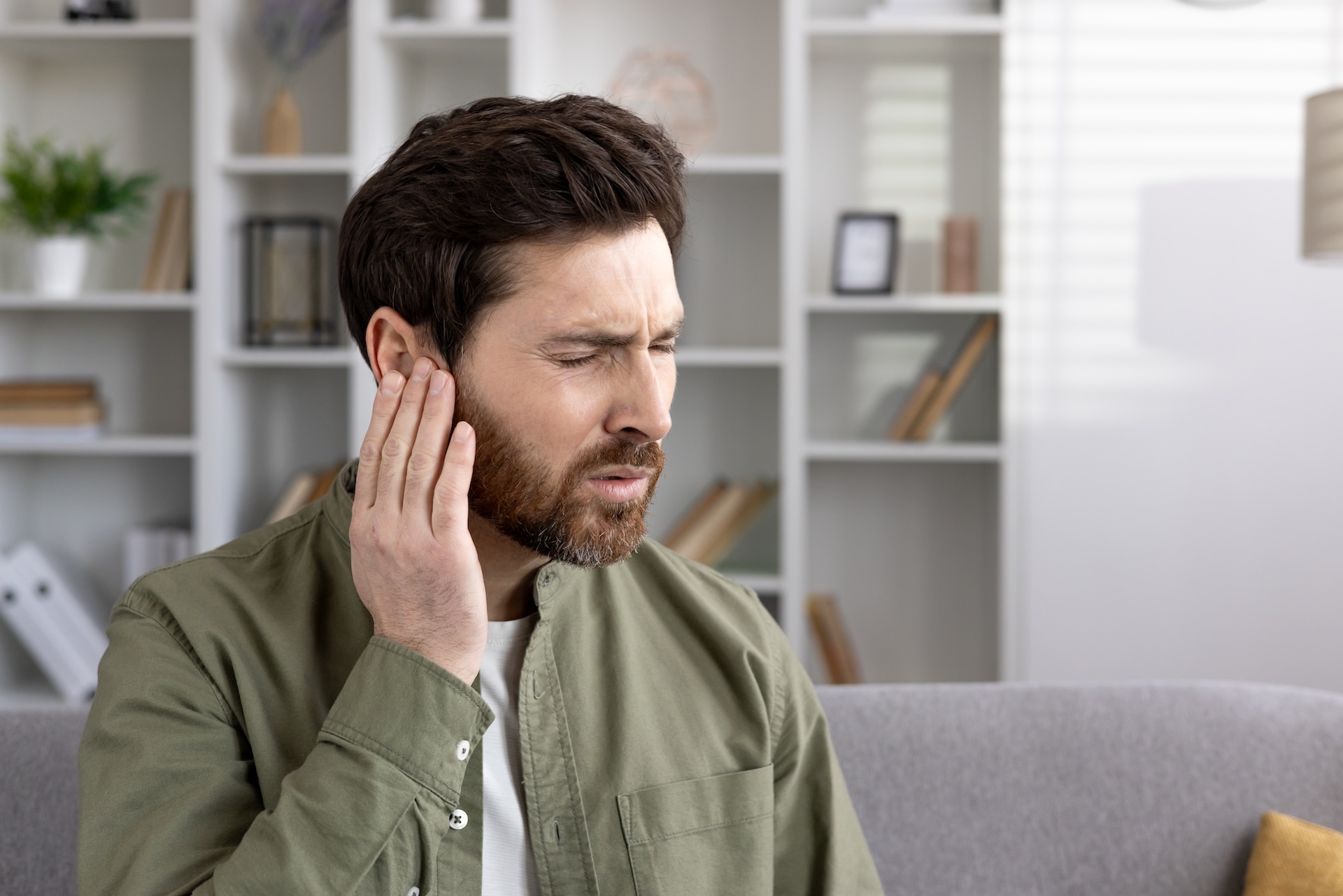
What is tinnitus?
Tinnitus is the perception of sound when there is no corresponding external sound source. Simply put, you are hearing a sound which isn’t actually there. It may be experienced as:
- Ringing
- Buzzing
- Hissing
- Whistling
- Static
- Clicking or other sounds
This can be distressing and frustrating for sufferers, as nobody else can hear what they can hear.
Tinnitus is a complex condition and doesn’t always have a single underlying cause. It can be associated with hearing loss, noise exposure, changes within the middle or inner ear, certain medications, and a variety of neurological and sensory factors. It is also associated with other vestibular disorders such as Meniere’s disease.
The perception of tinnitus is generated by the nervous system. This means that although the ear and auditory pathways are important and should always be assessed, other sensory systems can potentially influence how tinnitus is perceived. One of these systems is the somatosensory system; the network responsible for detecting information from muscles, joints, skin and other tissues throughout the body.
What is Somatosensory Tinnitus?
Somatosensory tinnitus refers to tinnitus that appears to be influenced by sensory information coming from structures such as the neck, jaw, or head. One of the most useful clues is whether tinnitus can be deliberately changed through movement or physical stimulation.
Some people notice that their tinnitus changes when they:
- Move their head in a particular direction
- Put their neck in a specific position
- Stretch their neck
- Clench their jaw
- Push their jaw forward
- Press on particular points around the neck, head, or jaw
Imagine someone whose tinnitus is normally a 5/10. They rotate their head to the right and it consistently increases to 7/10. They rotate left and it drops to 4/10. They then return their head to a neutral position, and the tinnitus returns towards its original intensity.
The same principle can apply to jaw movement, or changes in posture. Assessing the relationship between tinnitus and movement is important when considering whether someone may have a somatosensory component to their tinnitus.
The Neurological Connection: How Neck Movements Affect Auditory Processing
If a particular neck movement consistently changes the tinnitus, it suggests that sensory information from the musculoskeletal system may be interacting with the neural networks responsible for auditory perception. But how and how does this happen?
The dorsal cochlear nucleus (DCN) sits on the outer part of the medulla (lower brainstem) and has three main functions:
- Sound filtering: It helps the brain figure out complex sound patterns and frequencies.
- Vertical localisation: It helps you figure out if a sound is coming from above or below you.
- Multisensory integration: It combines hearing with movement and touch senses to help orient your head toward a sound.
The DCN is an important early processing centre for auditory information arriving from the cochlea. However, it also receives somatosensory information. This means that information coming from the body’s sensory systems can interact with auditory processing within the brainstem.
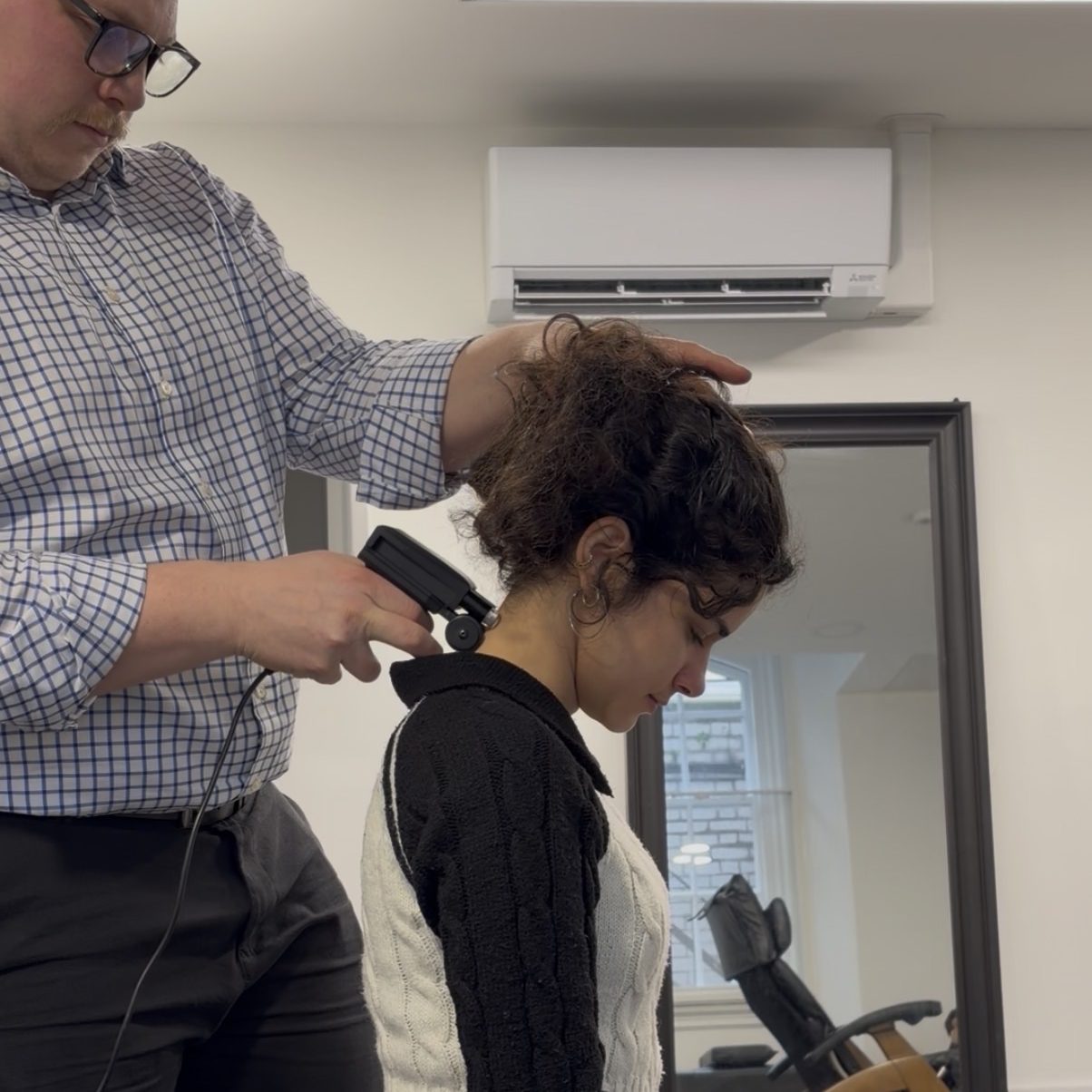
What Role Does the Upper Cervical Spine Have?
The C1–C3 region contains a high concentration of sensory receptors within the muscles, joints, and connective tissues. These receptors constantly provide the brain with information about the position and movement of the head and neck. This is known as proprioception.
The brain relies heavily on proprioceptive information from the neck and spine to determine where the head is positioned in relation to the body and the environment. The upper cervical region also has extensive neurological connections with sensory systems involving the head, including:
- The trigeminal system (sensation in the face)
- The vestibular system (inner ear balance sensation)
- Structures within the brainstem involved in auditory processing, such as the DCN
Rather than functioning as completely independent systems, these sensory pathways all interact within the central nervous system at the level of the brainstem. Therefore, if there is incoordination in the signalling between these systems, the brain starts to get incorrect input, which creates confusion in the system.
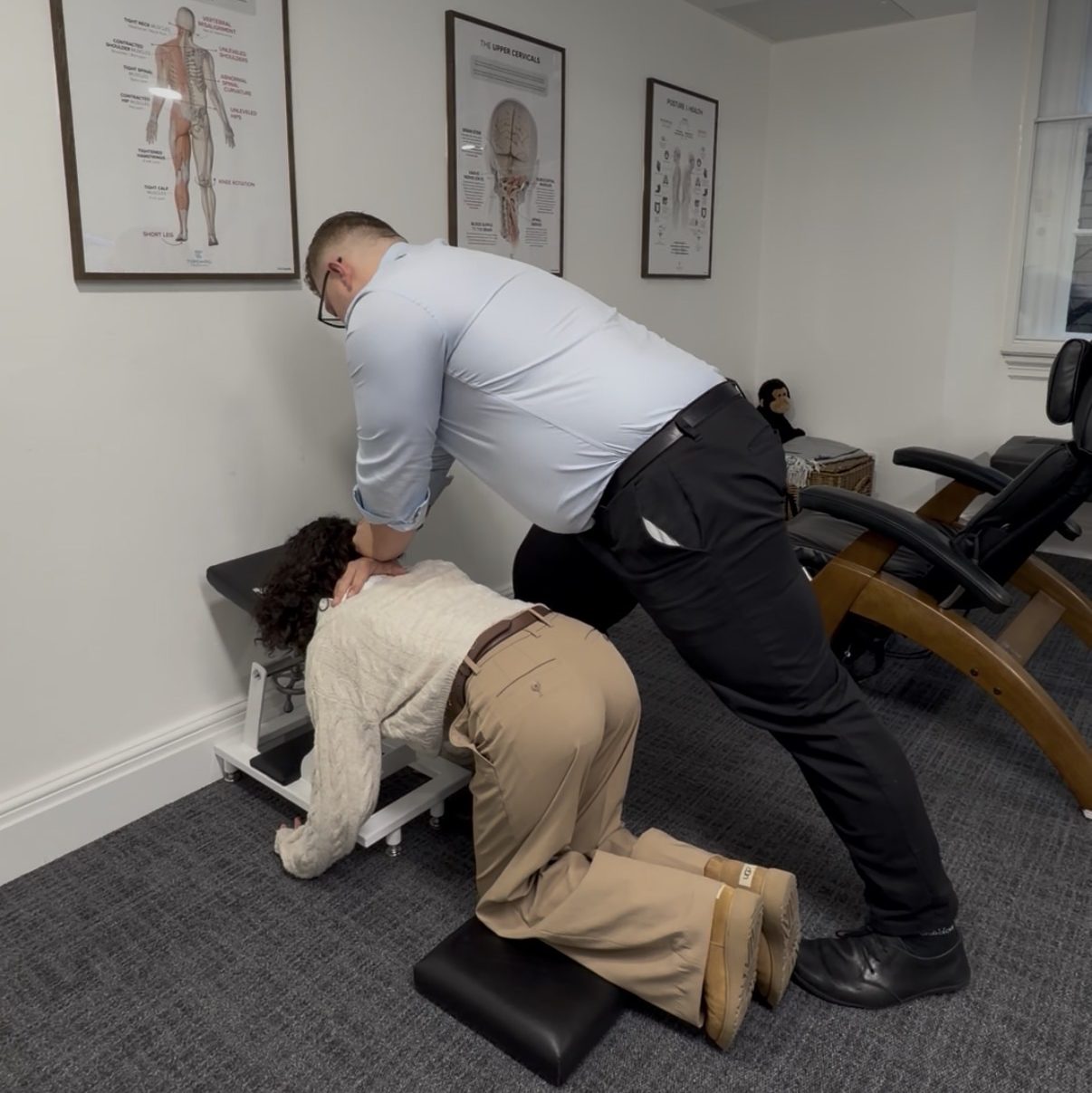
Upper cervical chiropractic focuses on the relationship of the bones in the upper neck and the way they affect the central nervous system. By ensuring there isn’t any dysfunction in the upper neck, we ensure there is proper signalling within the brainstem. If the auditory and somatosensory systems are receiving the correct input, there is a better chance of correct output, meaning this tinnitus doesn’t manifest.
Understanding Pulsatile Tinnitus
Some people report hearing their heartbeat in their ear. This is known as pulsatile tinnitus. This may increase with exertion such as exercise, and may also be modulated by a change in head and neck position.
The neck contains all of the “plumbing” for the brain; there are multiple vital blood vessels that run through the neck. Many of these have a close relationship with the bones in the neck, most importantly:
- Vertebral arteries
- Carotid arteries
- Jugular vein
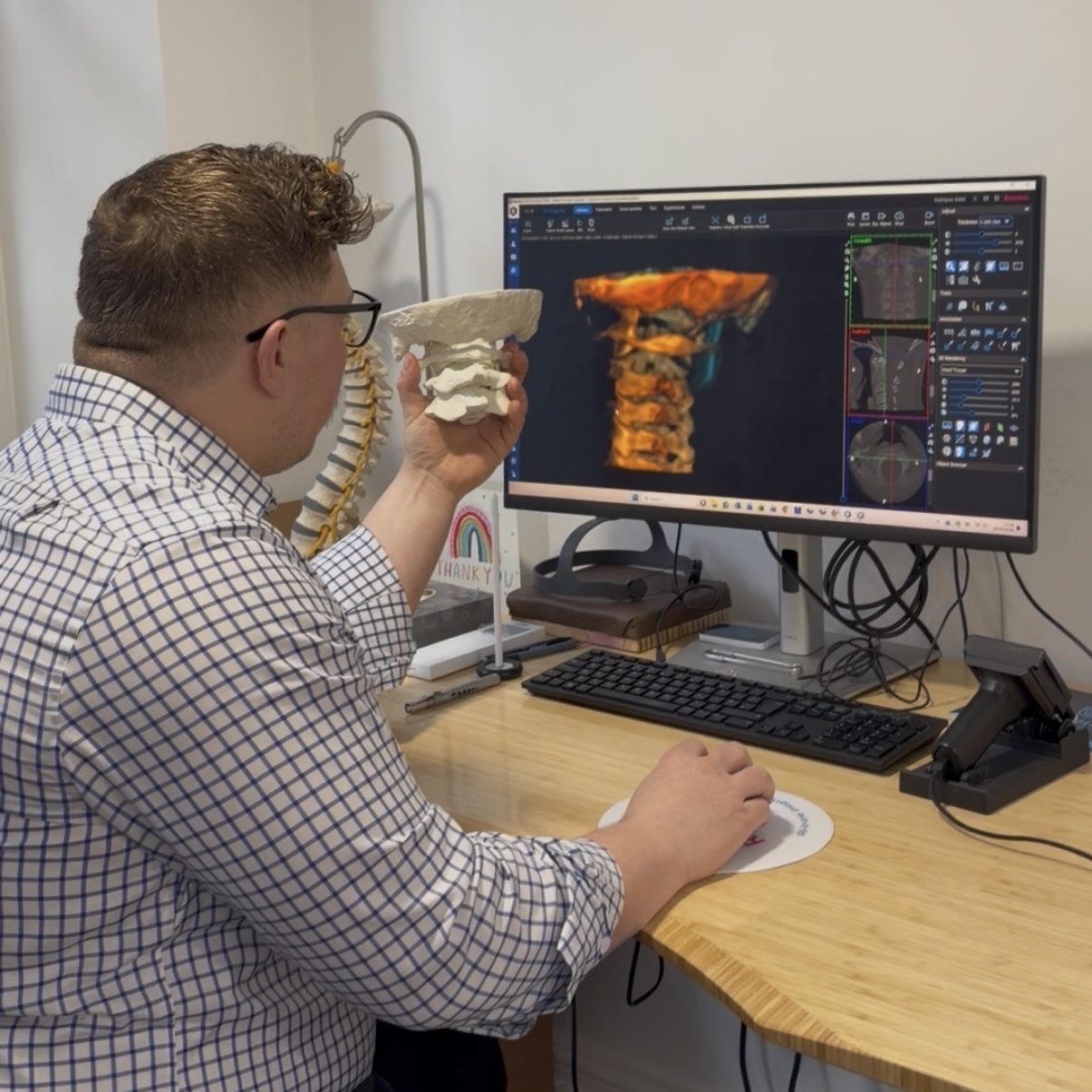
The spaces through which these vessels travel can become narrowed through altered biomechanics, degenerative changes, or congenital malformations. This has potential to cause irritation and mild compression to these vessels, which may result in altered hydrodynamics within the vessels. This change in blood flow in some cases is audible to the person if the vessel is close enough to the ear.
In these cases, proper physical assessment of the biomechanics is essential, and clinical imaging is often recommended to rule out any complications.
How We Can Help
If you have tinnitus and need help, the first step is to book a discovery call with one of our chiropractors to find out if what we do is right for you. If we think we can help, we will invite you to book in for an initial consultation to fully assess your case.
Get in touch with your nearest clinic in London, Birmingham, Newcastle, or Edinburgh to arrange a consultation.
[Click here to book your discovery call]
Follow us on social media
Frequently Asked Questions
Can neck problems cause tinnitus?
Yes. Sensory signals from the upper neck (C1–C3) send proprioceptive information directly to the brainstem, specifically the dorsal cochlear nucleus (DCN). If there is altered input or dysfunction in the upper cervical spine, it can interact with auditory processing pathways, triggering or changing the perception of somatosensory tinnitus.
What is somatosensory tinnitus?
Somatosensory tinnitus occurs when the loudness or pitch of the ringing in your ears changes in response to physical movements, such as turning your head, clenching your jaw, stretching your neck, or applying pressure to specific points around the head and neck.
How does chiropractic care relate to tinnitus?
Upper cervical chiropractic focuses on the structural alignment and mechanical function of the bones in the upper neck and how they influence the central nervous system. Restoring proper movement and biomechanics helps support correct sensory input to the brainstem, encouraging accurate neural processing between the sensory and auditory systems.