
Sarah had already been to three different chiropractors before she found the one who actually helped with her chronic headaches and neck discomfort. The first two were perfectly competent generalists, adjusting her mid and lower back, offering the sort of relief that lasted a few days before the familiar pressure crept back in.
It wasn’t until a friend mentioned upper cervical care specifically that she started looking for something different, and even then, she wasn’t entirely sure what she was searching for. What questions should she ask? How would she know if someone was properly qualified in this particular approach, rather than simply describing themselves as “specialising in the neck”?
If you are in a similar position, we hope this guide helps you cut through some of that uncertainty. We see people come to us in exactly Sarah’s position fairly often, and we would rather arm you with the right questions than simply ask you to take our word for it.
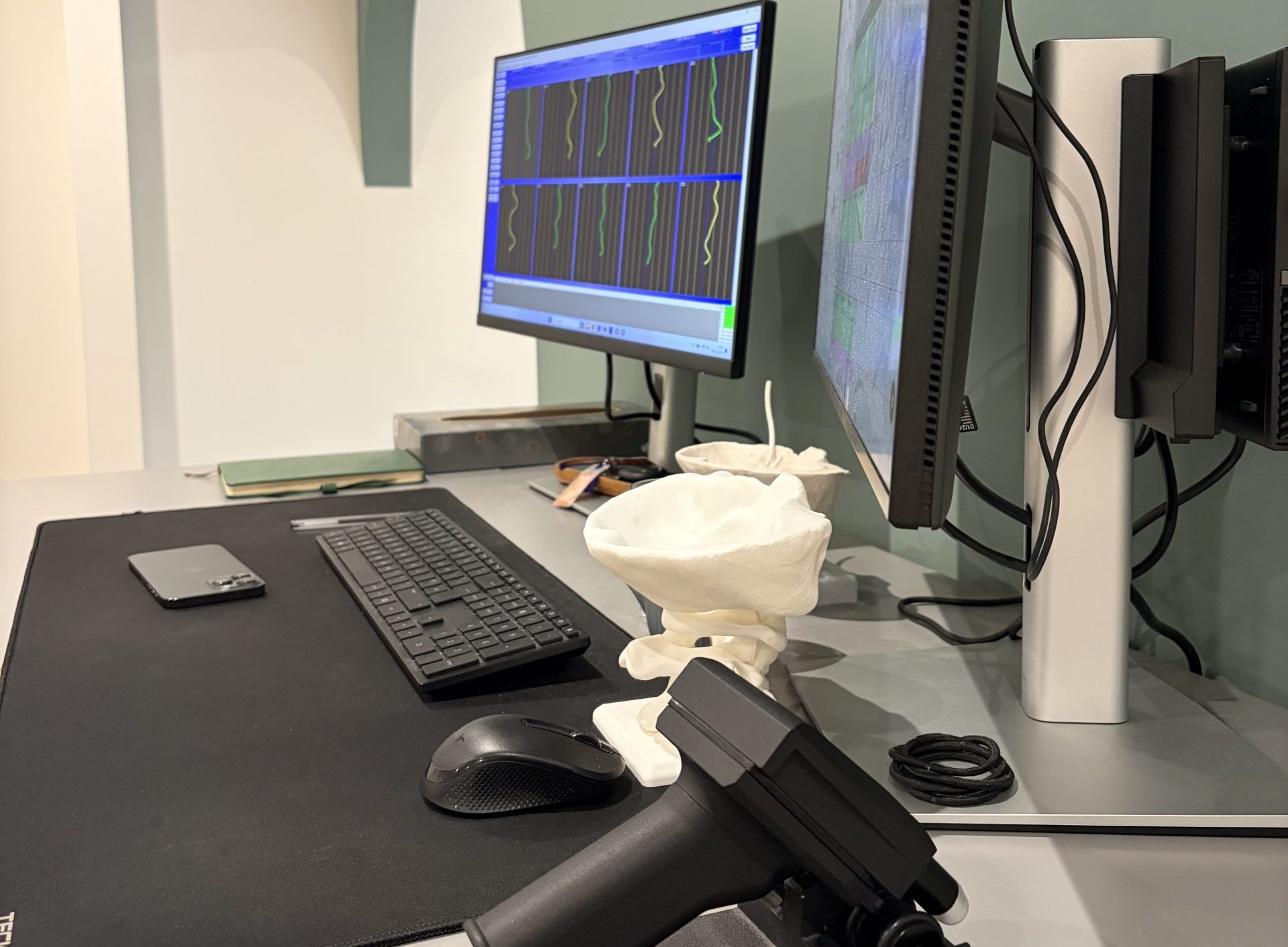
What Makes Upper Cervical Chiropractic Different?
Upper cervical chiropractic focuses specifically on the top two vertebrae, the atlas and axis, and their relationship to the base of the skull. It is a precise discipline, often involving specific techniques such as:
-
Knee Chest Upper Cervical
-
NUCCA
-
Blair
-
Atlas Orthogonal
Each technique has its own particular philosophy around measurement and correction. Because the margin for error is small when working in this area, additional training beyond a standard chiropractic degree is essential, and this is really where your search for a qualified practitioner should begin.
Not every chiropractor who mentions the neck in their marketing has this additional training. Some have completed a short course; others have spent years in postgraduate study and clinical mentorship under an established upper cervical chiropractor.
The difference matters more than most people realise going in, and it’s one of the reasons we’ve built our own approach at Top Chiropractic around ongoing, technique-specific certification rather than a single qualification earned once and left untouched.
GCC Regulations & Qualifications Worth Asking About
Every chiropractor practising in the UK must be registered with the General Chiropractic Council (GCC), the statutory body established by Parliament to regulate the profession. This registration is a legal requirement, not an optional badge of quality, and it is illegal to call yourself a chiropractor in the UK without holding it. That is your non-negotiable baseline.
Beyond GCC registration, ask prospective practitioners these key questions:
Which upper cervical technique or techniques have you trained in, and where?
How many hours of postgraduate study have you completed in this specific area?
Do you hold ongoing certification?
How long have you been practising this particular approach, as opposed to general chiropractic care?
A confident, qualified practitioner will welcome these questions. It tells them you have done your research.
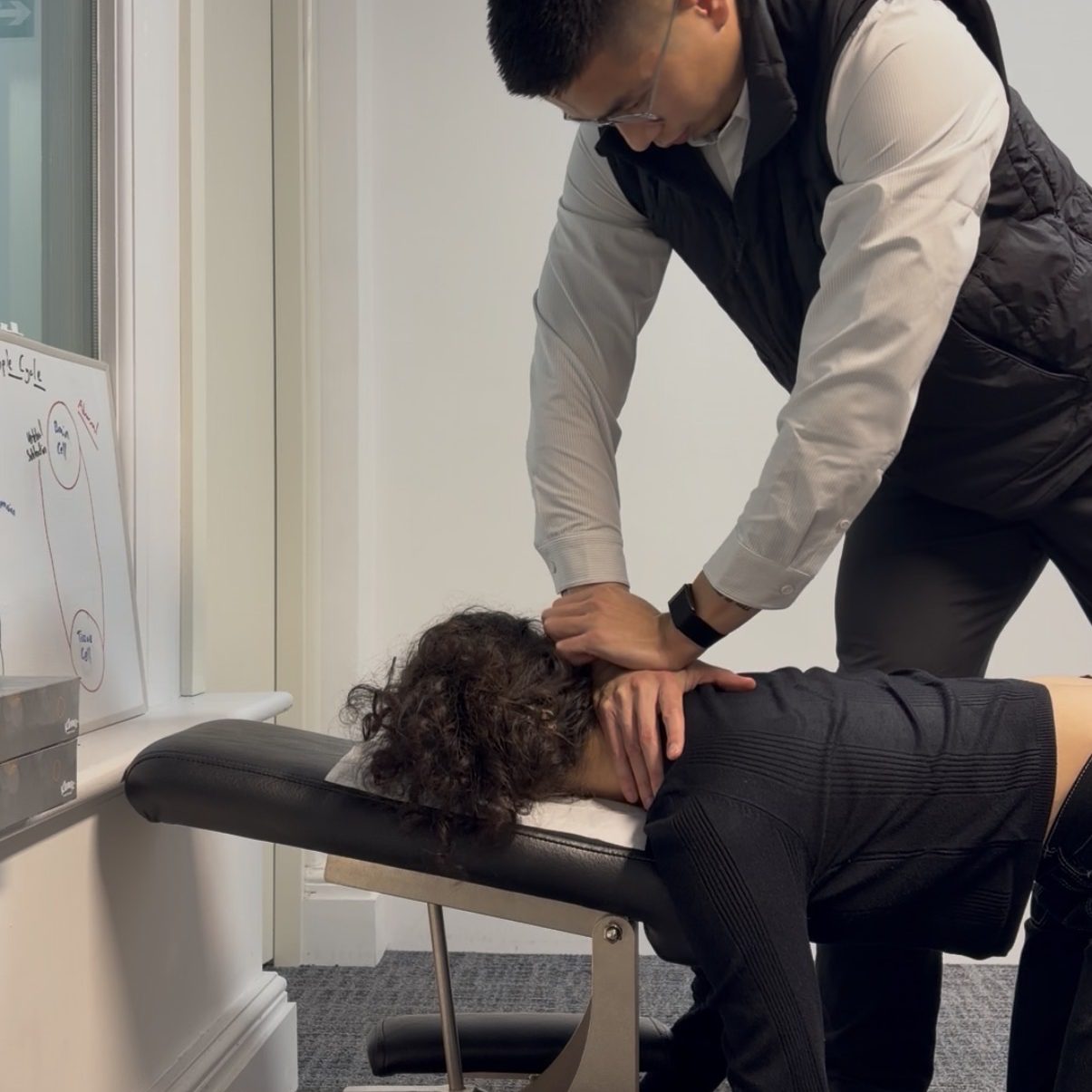
Key Questions to Ask During Your Consultation
Once you have established that someone has the right background, the consultation itself helps you determine if they are the right fit for you personally.
-
Assessment Methods: Ask how they assess your upper neck and nervous system, whether through X-ray, CBCT, or another method, and why they choose that approach.
-
Care Plan Outline: Ask what a typical course of care looks like for someone with your specific concerns, including roughly how many visits they expect before reassessing your progress.
-
Limitations & Reassessment: Ask what they would do if the care was not producing results after a reasonable period.
A practitioner who is transparent about limitations tends to be one worth trusting. Upper cervical care is one part of a broader picture of your health, never a substitute for medical care when that is needed.
Red Flags to Watch Out For
There are a few warning signs that should give you pause:
-
Guaranteed Outcomes: Be wary of anyone who guarantees a specific outcome, as no responsible practitioner can promise a particular result for complex health concerns.
-
High-Pressure Sales: Be cautious of high-pressure sales tactics around long, prepaid packages of visits before you have had a thorough initial assessment.
-
Vague Credentials: If someone cannot clearly explain their upper cervical training or becomes evasive about which technique they use and why, consider looking elsewhere.

How to Verify Credentials in the UK
You can verify a practitioner’s credentials using these steps:
- Check the GCC Register: Search the public register on the General Chiropractic Council website to confirm active registration.
- Look for the GCC Mark: Check for the official “I’m Registered” mark on the practice’s website or materials.
- Check Technique Directories: Look at directories maintained by upper cervical bodies (such as NUCCA or Blair associations) for certified members.
- Ask the Clinic Directly: Request links or documentation showing their GCC registration and upper cervical certifications.
Ready to Ask Us Those Questions Yourself?
Reading about qualifications is one thing; actually speaking to someone is where the picture really comes together. That is why we offer an initial discovery call, with no obligation attached.
Bring every question from this guide. Ask us about our training, our techniques, and our approach to reassessment. It is a straightforward way to find out whether we are the right fit for you before you commit to anything further.
Sarah found her answer through exactly that sort of conversation. It was not a dramatic revelation, but rather a clear sense that the practitioner understood what she was experiencing and could explain how their approach might help.
If you are ready to have that conversation, get in touch to arrange a discovery call today.
Follow us on social media